Orville Hungerford’s Son, Richard E. Hungerford, Builds a Mansion Next to Hungerford’s on Washington Street in 1884
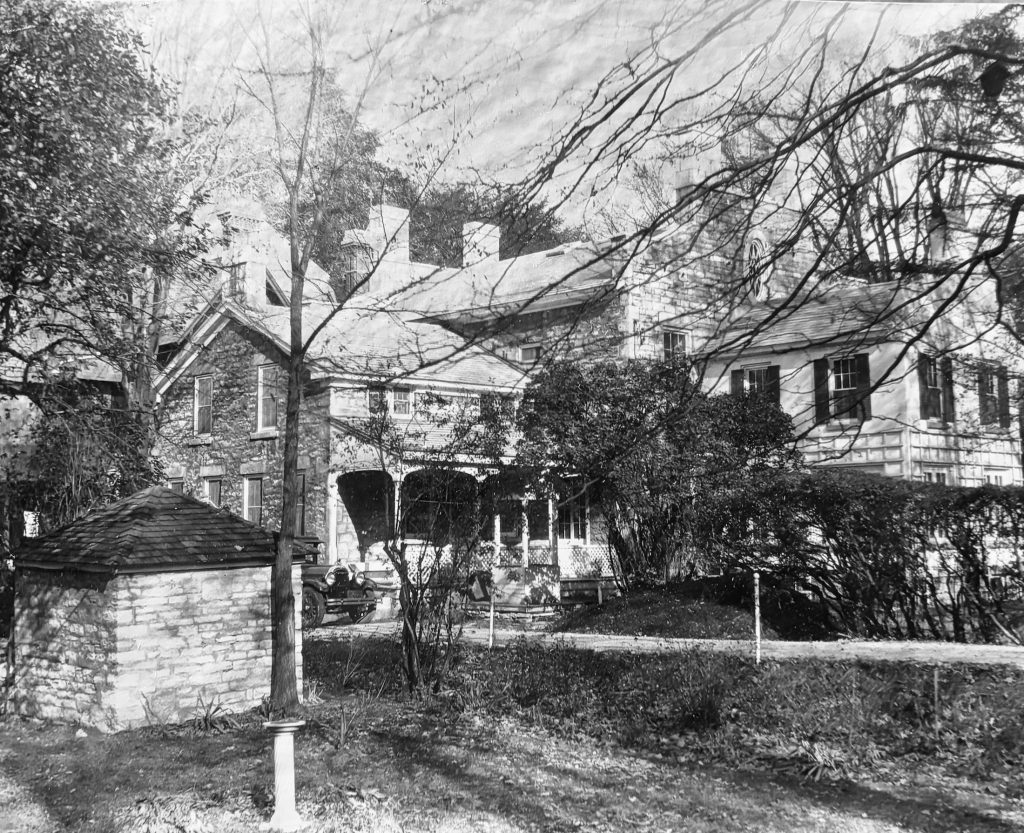
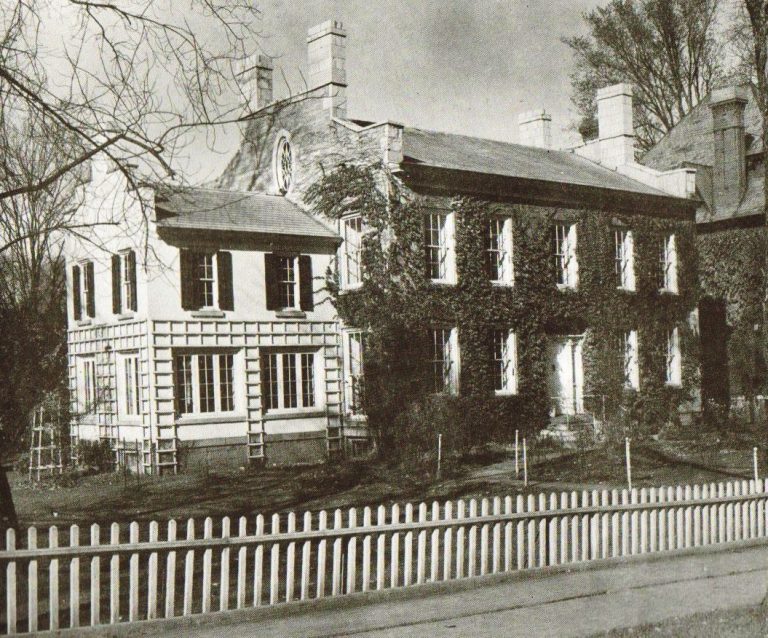
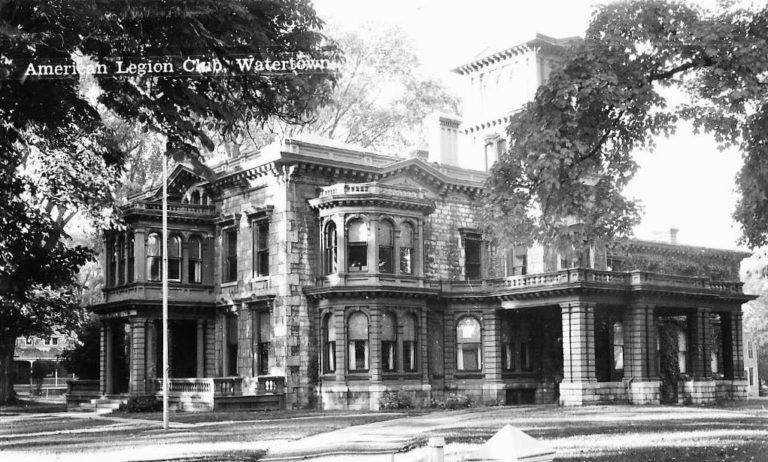
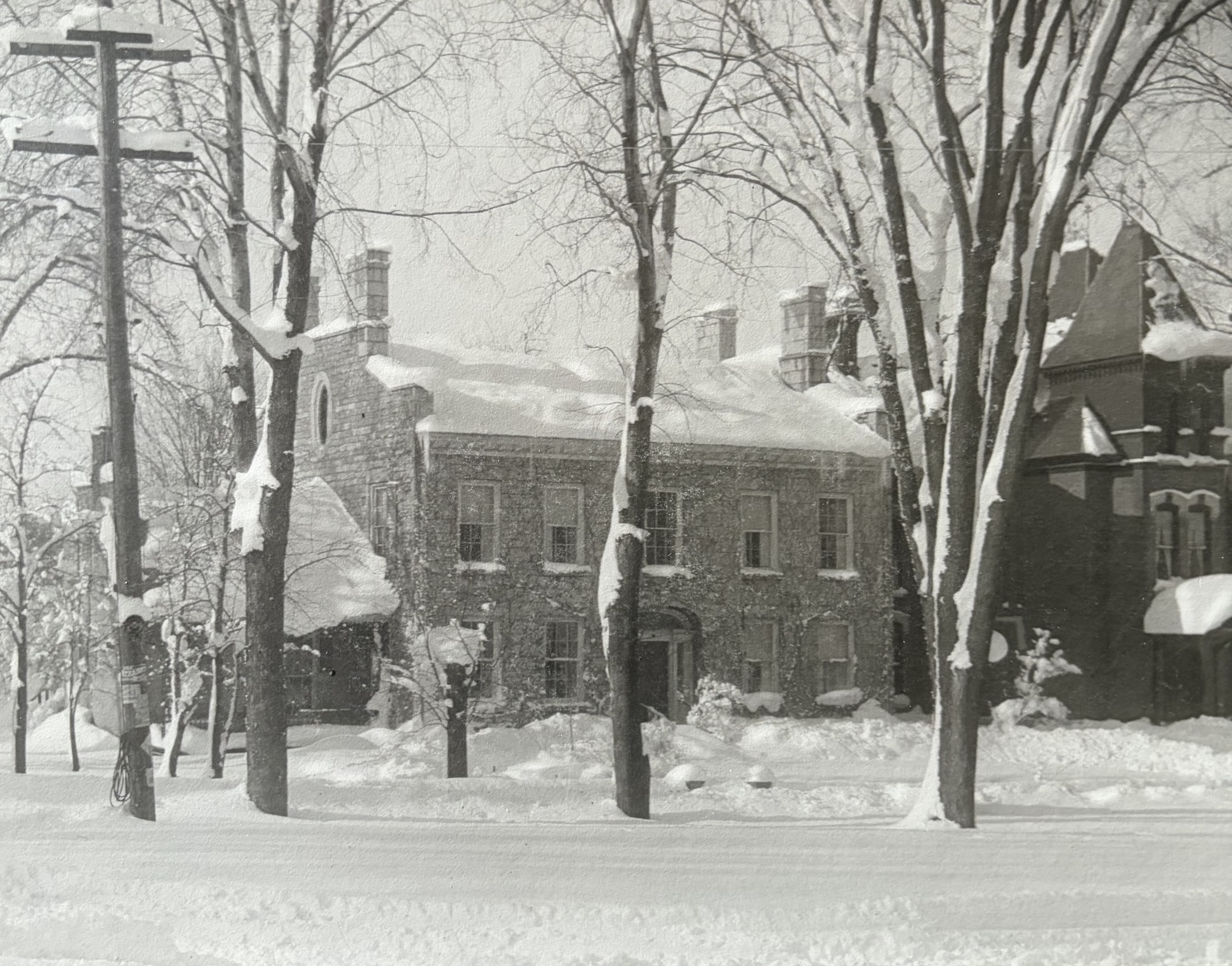
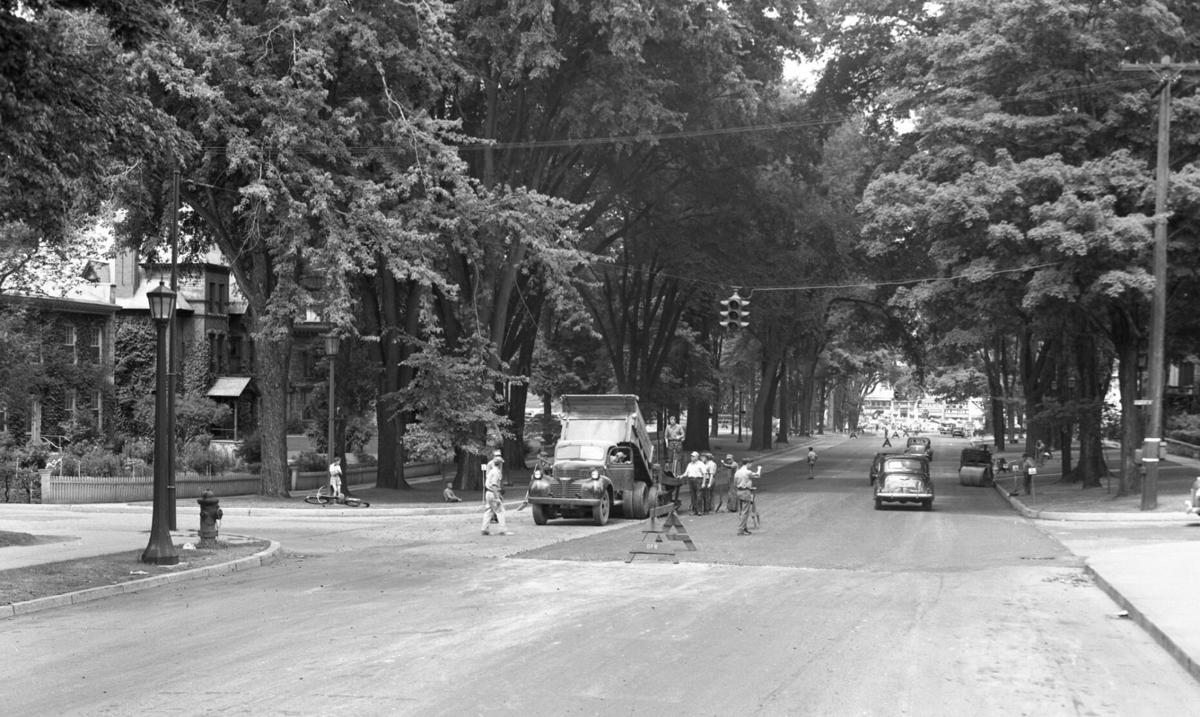
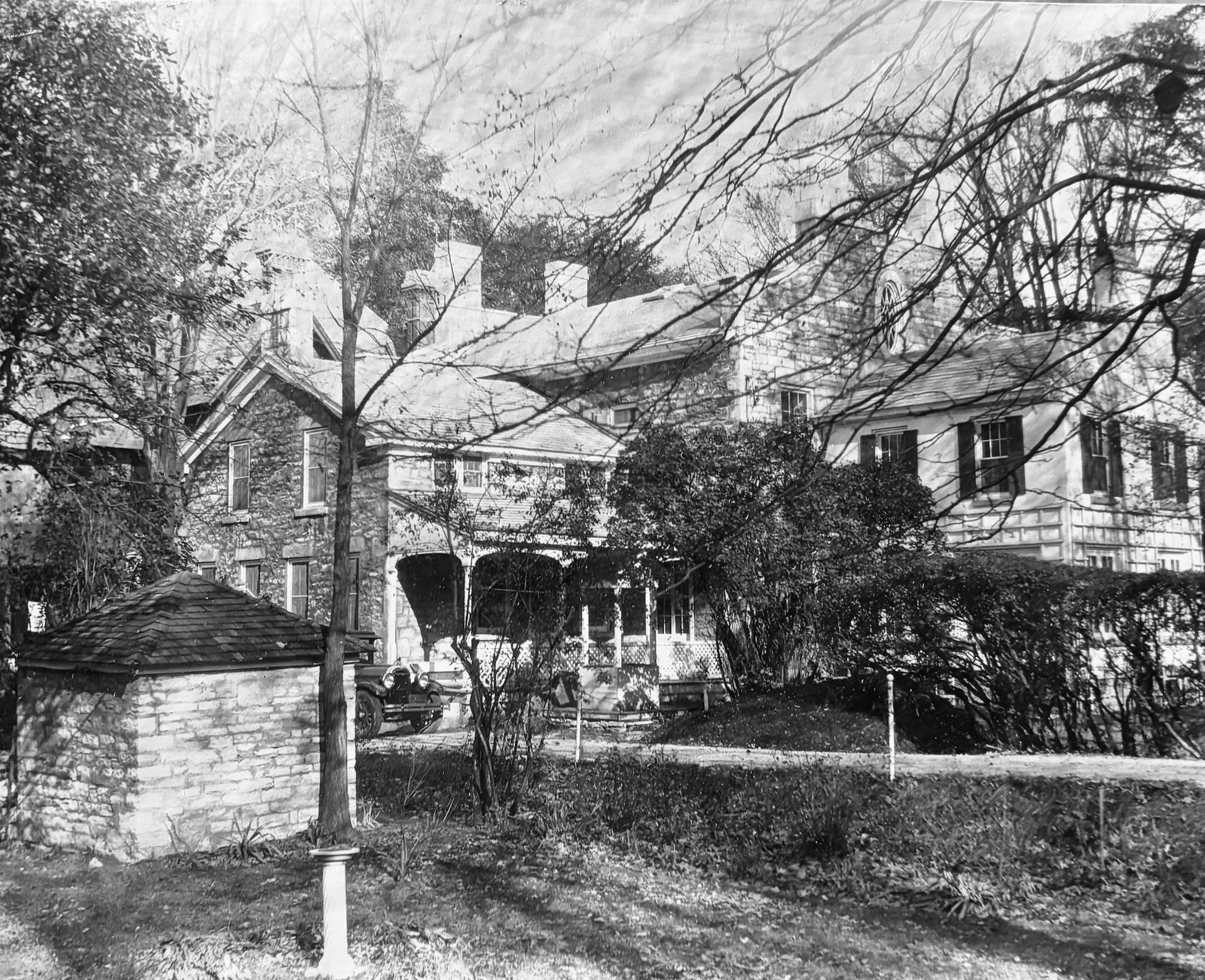
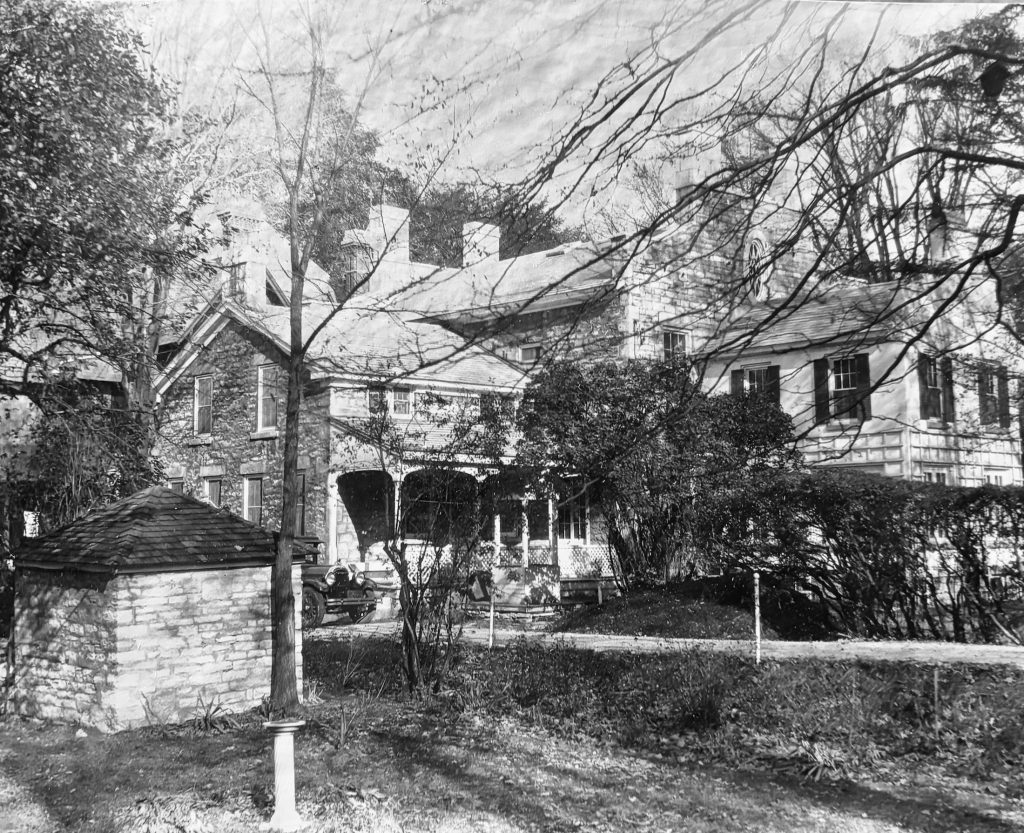
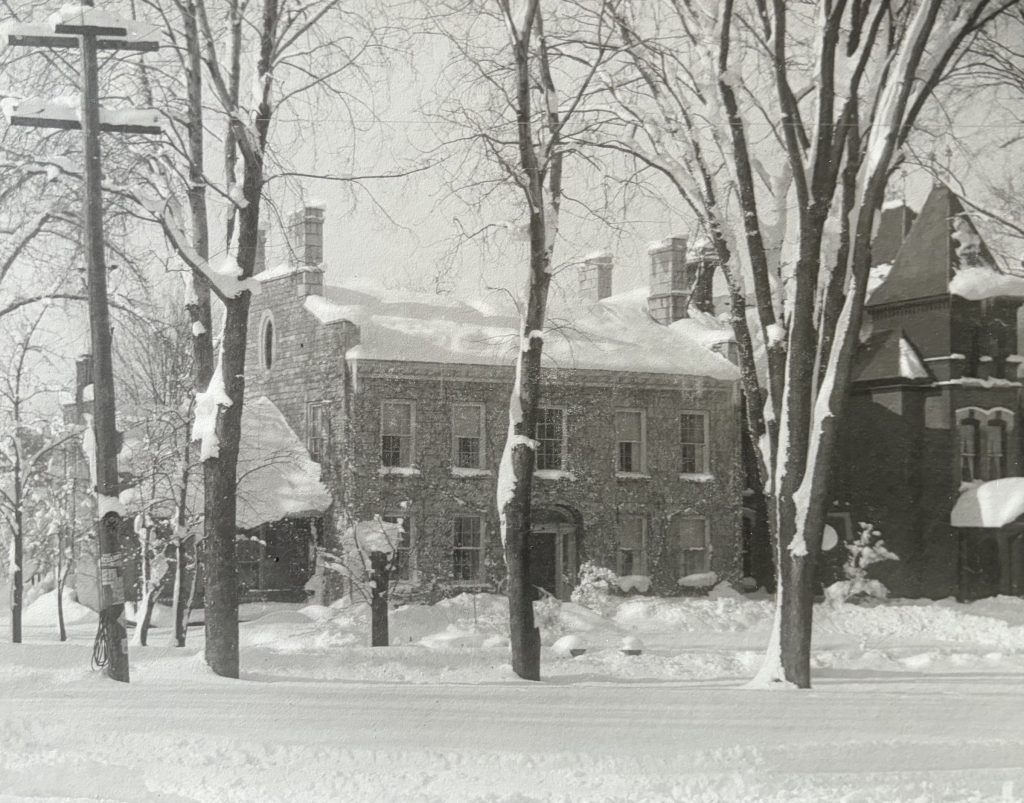
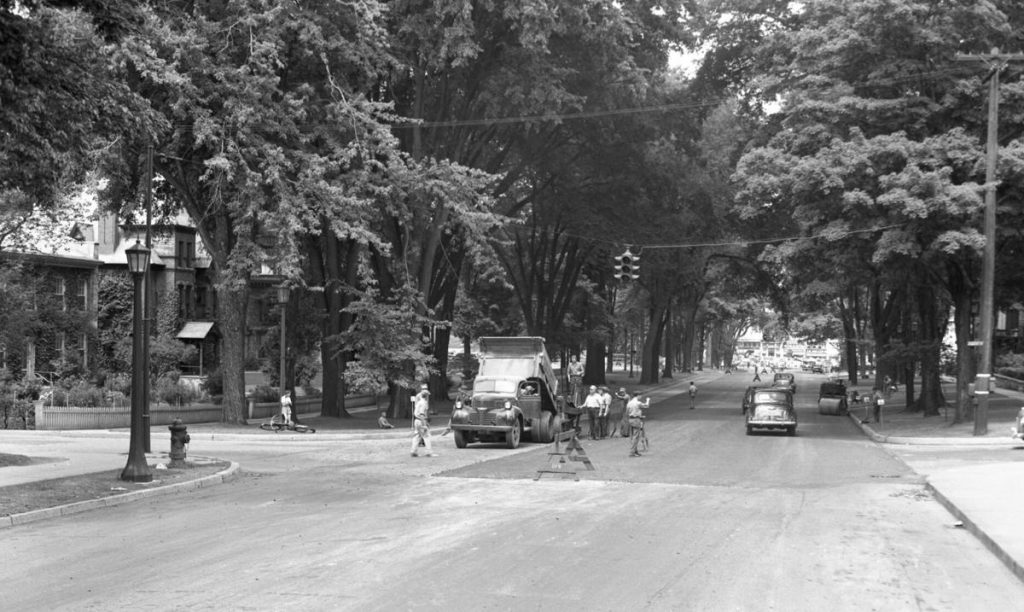
In 1882, Richard E. Hungerford and his youngest child, Harriet “Hattie” Rosa Hungerford, only seven years old and born to his second wife, Harriet Roxanna Cooper Hungerford, sold their home on the south corner of Clinton and Washington Street to Florentine D. Roth. Roth had the house razed, then built what became known as the Roth mansion, and later the Sisters of St. Joseph’s Music Conservatory, while Hungerford had the Gothic Queen Anne mansion built on the other side of his father Orville‘s stately mansion, which was originally numbered 42 Washington Street before it was renumbered to 330 in 1908.
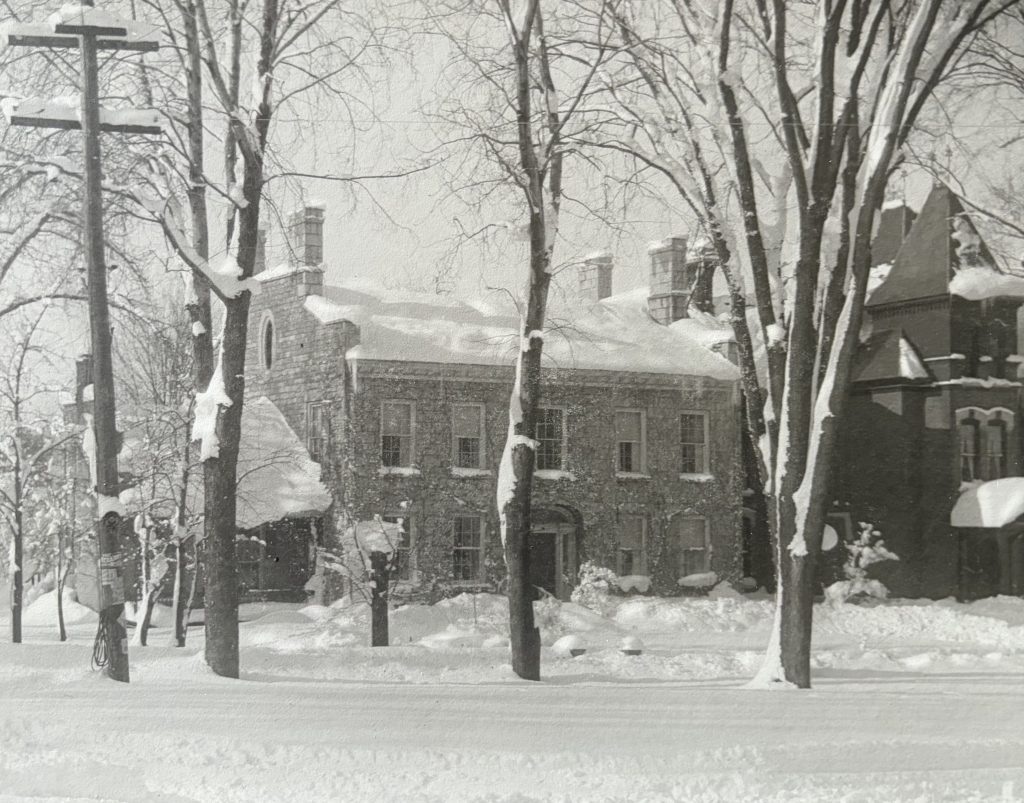
Born March 28, 1824, in a house on the corner of Clinton and Washington Street, Richard E. Hungerford never strayed far from his roots; within a year and a half, on November 11, 1825, to be precise, the Hungerford family moved into their completed Georgian limestone mansion. Richard spent his formative years in school and as a clerk in his father’s store before entering Hamilton College in 1840, later graduating at the age of 20.
Before long, Richard entered into the railroad business with the Rome, Watertown & Ogdensburg Railroad, his father Orville having brought the iron horse to the North Country. He subsequently became its secretary, treasurer, and paymaster over the course of seventeen years before establishing the Security Bank, of which he was chosen to be its president, once again following in his father’s footsteps.
His interest in the bank was later sold to Norris Winslow, and, according to his obituary in the Watertown Daily Times, it was the end of his business career, as the article dated January 5, 1896, reported—
He was for many years a director of the Jefferson County National Bank, a trustee of the Jefferson County Savings Bank, a director and for a time a vice-president of the Watertown Steam Engine Co., and vice-president of Brookside Cemetery Association.

Richard E. Hungerford’s first wife was Helen M. Osgood of Hamilton, N.Y.; they were married on the 19th of August, 1845. Four children were born, two surviving: Richard Stanley and Orville Ely (note: no information was found on the two deceased, who very well may have died in infancy). Helen passed away in 1860, and seven years later, Richard married Harriet Cooper, daughter of Howell & Lois Patterson Woodruff Cooper, who owned the Cooper Mansion at 428 Washington Street.
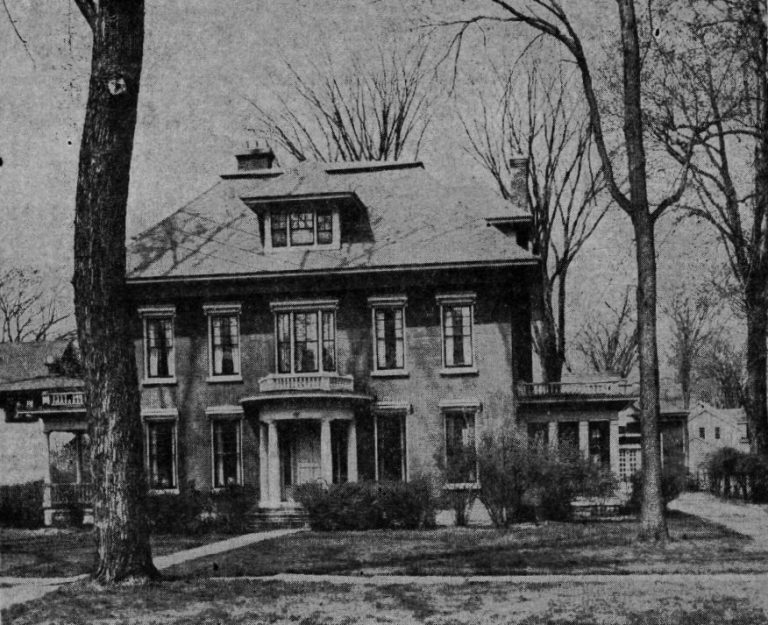
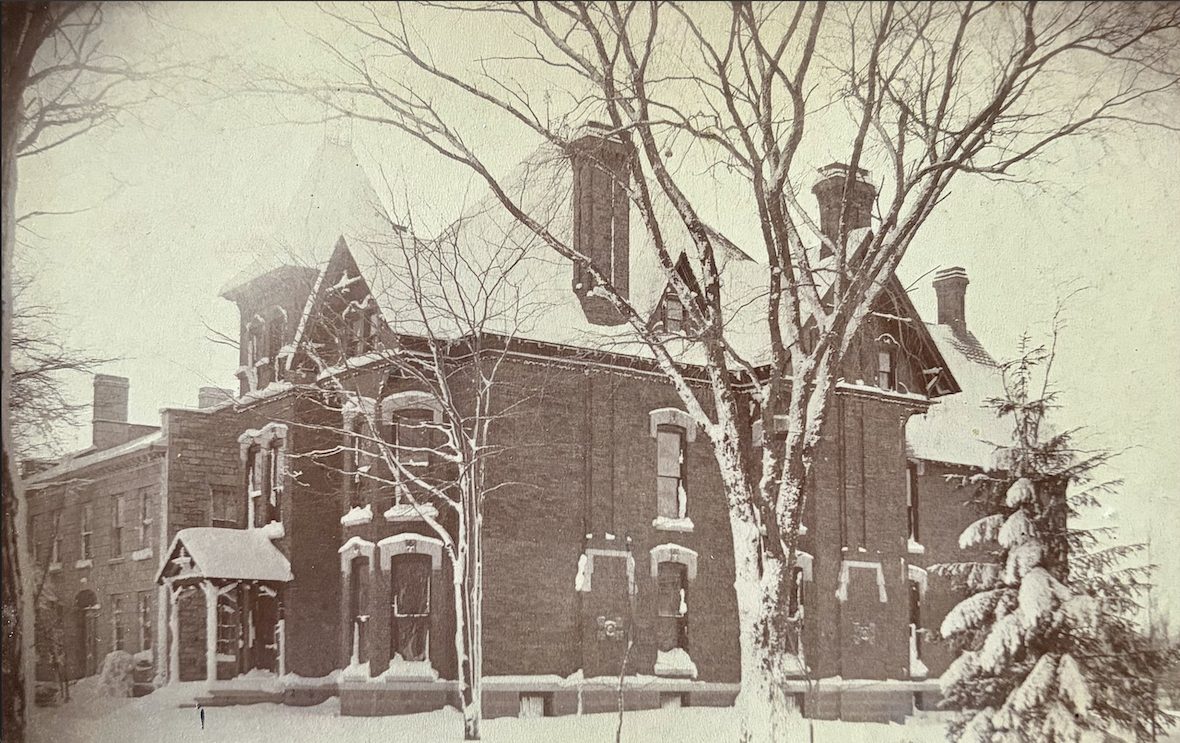
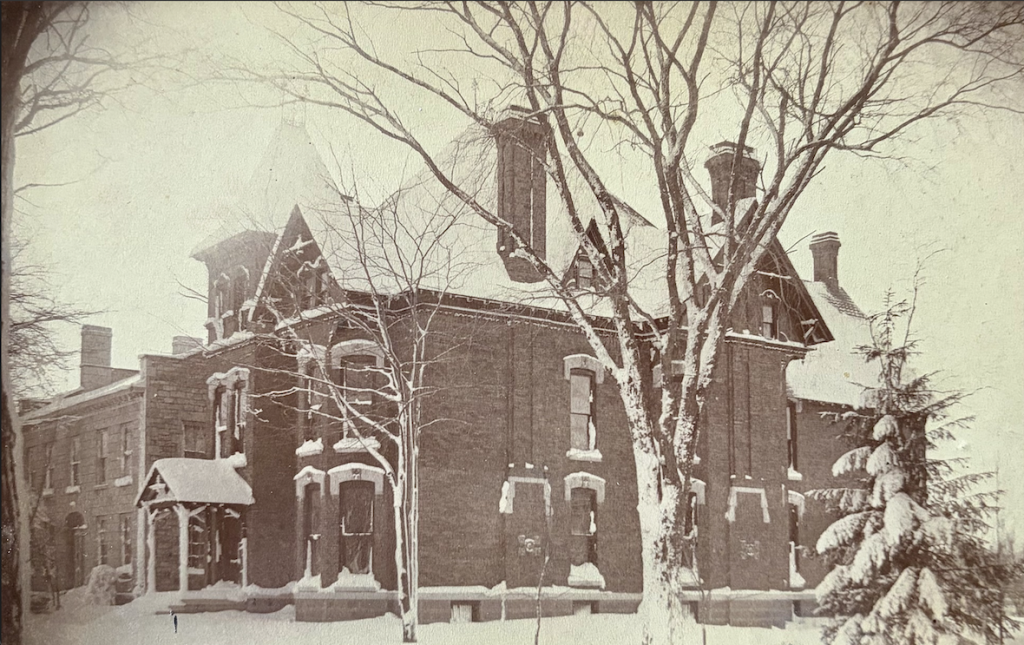
When Richard decided to build a mansion next to his father’s, try as he might, but he could not persuade William Herring to sell him any of the land from the neighboring Herring estate, so the red-bricked Queen Anne was constructed on a narrow lot, taking two years to complete.
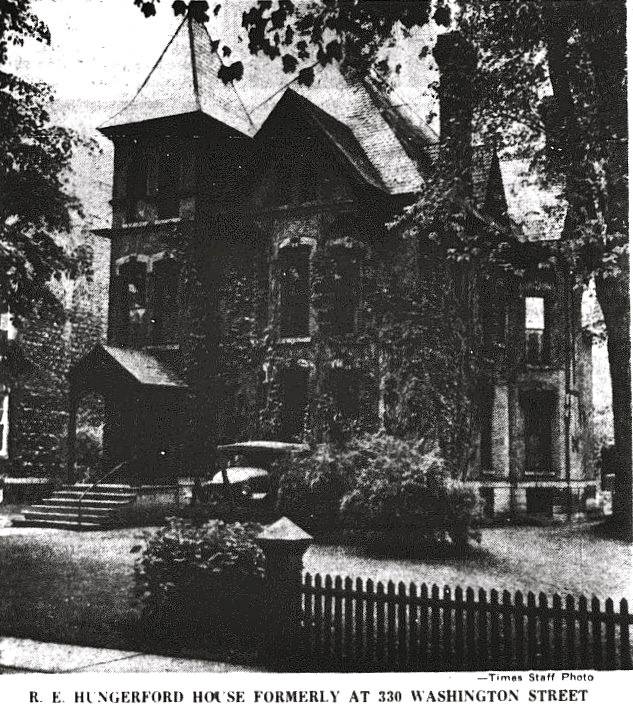
A Detailed Description in the Watertown Daily Times
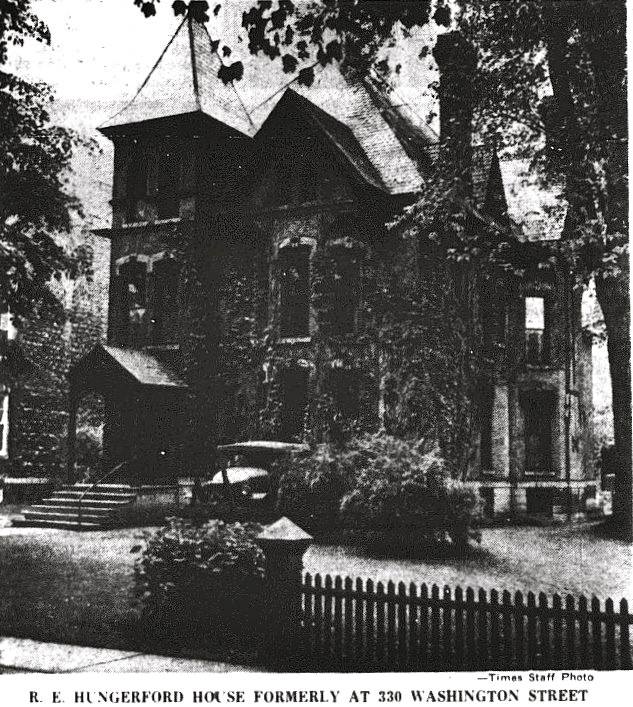
Upon the mansion’s razing in 1948, the Watertown Daily Times published a thorough description of it and its interior in its June 25th edition—
The foundation walls, which are as solid as a single rock, are of the finest quality of Chaumont limestone, cut, faced, and laid by the best of workmen. This foundation extends about five feet high and set off into a number of rooms by brick partitions.
The red brick, in the tall brick walls of the superstructure of the house, is as square and perfect today as when it was obtained 66 years ago, probably from one of the local quarries that flourished here then.
Large-paned windows are of the best French plate glass obtainable, and at each window are inside blinds of the folding Venetian type such as used to be made three-quarters of a century or more ago. The walls of the house are moderately thick and the window seats are not shallow like those of today.
There are three stories and an attic to this Richard E. Hungerford mansion, into which Mr. Hungerford and his family moved in November, 1884, and the rooms of the two lower stories are ten feet high. They were originally heated by a hot-air furnace, but after a time tehre was combination hot-air and hot-water heat.
Originally illumination was solely by gaslight, rather magnificent brass fixtures having been installed, but in later years illumination was partially accomplished by electricity.
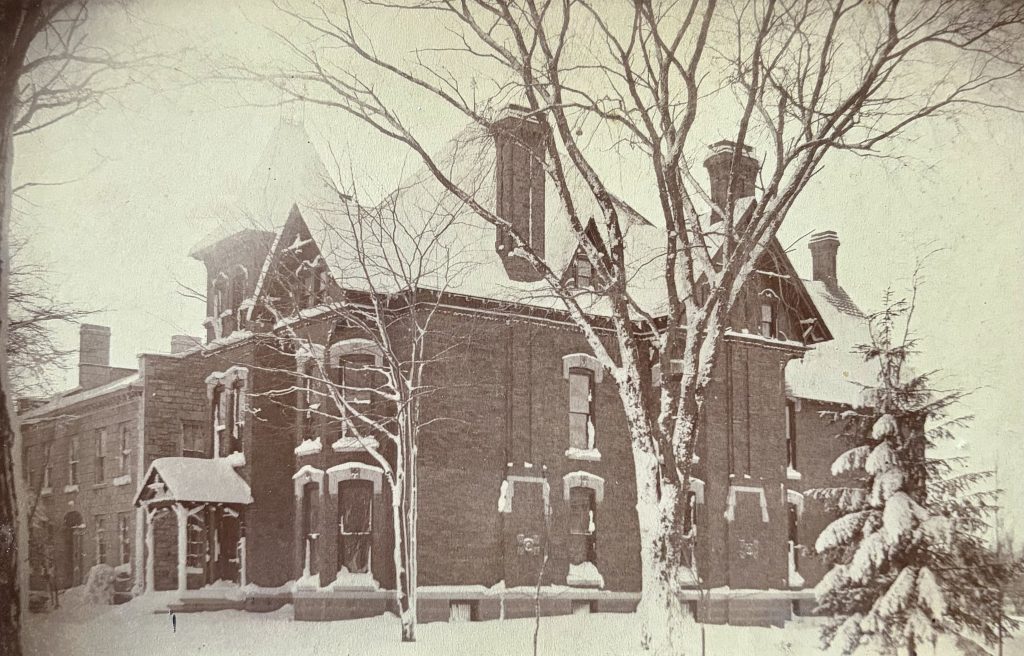
The total number of rooms in the mansion is 16 exclusive of the attic under the high-pitched roof. From the high, broad limestone front steps at the southeastern corner of the house-front heavy double doors opened into a small vestibule done off in northern oak of the best seasoning and craftsmanship. The height of the vestibule is ten feet and from it double doors also lead into the broad, large rectangular hall. This hall is also finished in oak, both as to the rather ornate carved casings and the wainscoating and paneled ceiling.
The stairway starts at the rear of the hall, in its southwest corner and goes up to a low landing before turning directly eastward into the main flight, which goes to another landing near the top and turns north into the upper hall. In the south wall above the first landing are small stained glass windows. One of the eight fireplaces of the house is in this hall. Ornamenting the dark mantel are pictorial tiles.
These tiles depict scenes from Shakespeare. A square and elaborate newal post of black walnut, paneled with curly maple stands at the foot of the stairs.
Large doors open off the front of the north side of the hall into the large drawing room at the northeast front of the ground floor. In this room is a beautiful mantelpiece of Italian white marble richly carved in high relief. The casings are of cherry ornamented with carving.
The walls and ceiling are plaster and around the border of the ceiling is a plaster design in relief and there are plaster cornices.
Double, sliding oak doors lead from the rear or west end of the room into the large library with its cherry casings and high bookcases. There are four of these, two at the front or east end of the room, one on either side of the double doors, and two across the west end, and there is a cherry mantel to the fireplace, which is bordered with pictorial tiles from Sir Walter Scott’s works.
Opposite the library and across the hall is the dining room, wainscoted and ceiled in oak and with oak woodwork. The fireplace mantel is also of oak and the ornamental tiles are in floral patterns.
Back of the dining room is a pantry with ample cupboards, and to the rear of the pantry is the commodious kitchen finished in ash. To the right of the kitchen is a large laundry.
The second floor is given up to bedrooms, of which are there five, and two bathrooms originally equipped with old-fashioned tin-lined bathtubs.
The large front master-bedroom over the drawing room and the casings and woodwork are of beautifully finished birdseye maple. The fireplace mantel is also of birdseye maple with maroon tile border ornamented in a white floral pattern.
Back of it is another master bedroom done in birdseye maple and across the hall over the dining room is a bedroom finished in quartered oak. It also has an oak mantlepiece decorated with tiles in a bird design.
The two bathrooms are at the rear of this room and directly across the hall at the rear of the second birdseye maple bedroom. There are two maple bedrooms at the rear of this floor.
Upon the third floor are three finished bedrooms, but they were never much used and at the rear of this floor is a large storeroom.
After Richard died in 1896, his widow, Harriet, and daughter, Hattie, lived in the mansion, while his other daughter, Helen, lived in Orville’s mansion with her husband, Leland Woolworth, a distant cousin of Frank W. Woolworth, and co-owner of the Hardiman-Woolworth store at 147 Court Street.
Harriet Hungerford, who had life use of the Richard E. Hungerford home, passed away in 1908, and the mansion was subsequently left to the four children, though it remained occupied by Hattie, who never married. She later bought her siblings’ interest in the property and remained there until Leland died in 1936, at which point, sometime afterward, she moved in with her sister Helen, while her father’s mansion sat vacant.
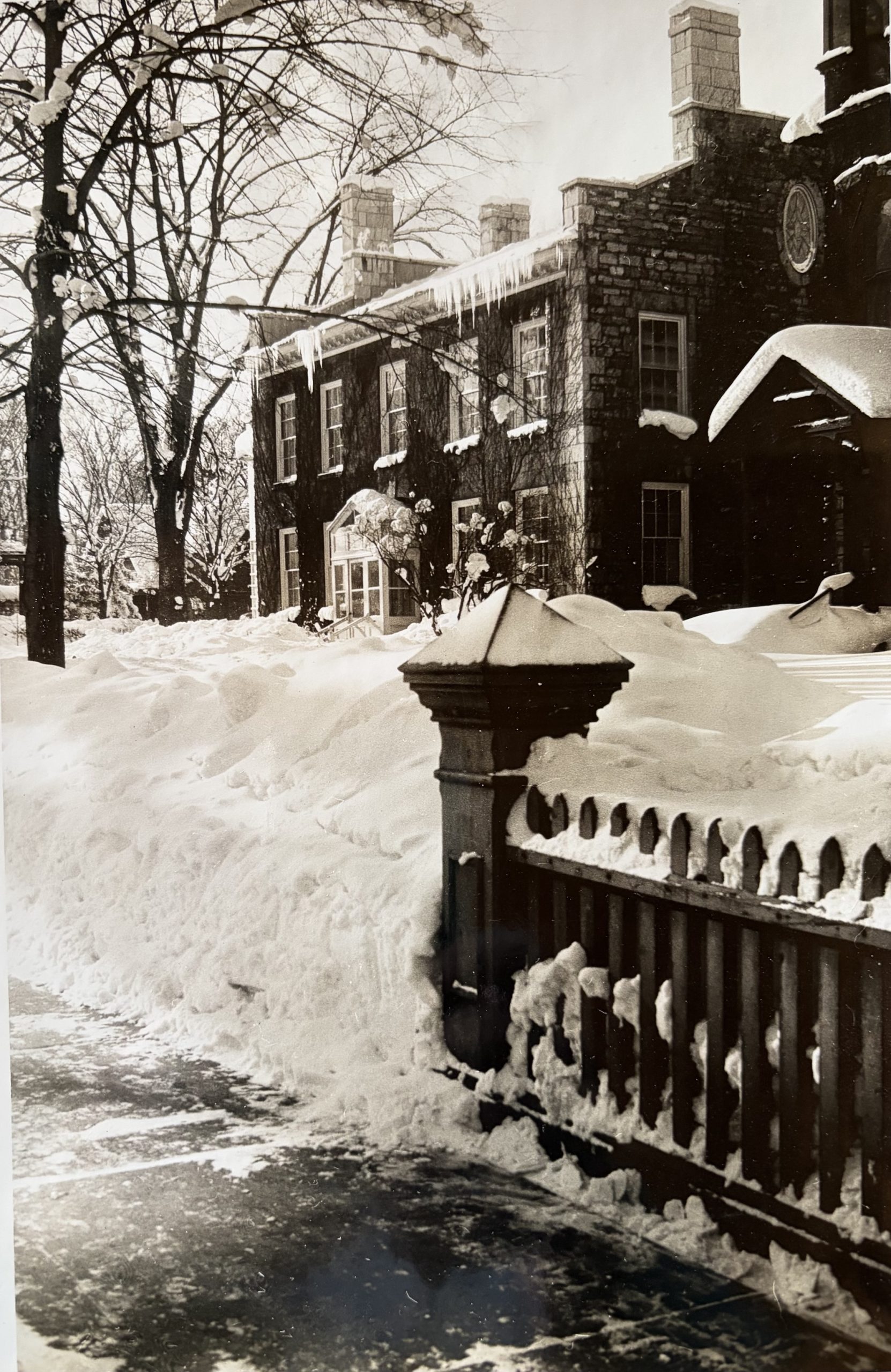
Helen died a decade later, in 1946. It was at this point that Hattie deliberated what to do with her father’s mansion, choosing to raze it for two reasons: it was always determined that the lot was too small for it, and the additional space could (and was) converted into additional gardens for the Orville Hungerford mansion. Secondly, as stated in the Times article, she feared that, by selling it, it “might eventually come into a control that would be detrimental to the stone mansion property.”
It was in mid 1948 that Hattie contracted with Samuel Frazzitta to raze the mansion, filling its basement with soil to expand the gardens. Eight years later, Hattie, who had no heirs, passed away, leaving the future of Orville Hungerford’s mansion in doubt. It was subsequently part of a multi-property deal by developer J.J. Capone, but was saved and relocated to W. Flower Ave. by John R. Burns, where it remains today.