General Solon D. Hungerford – Northern New York Renaissance Man of the 19th Century
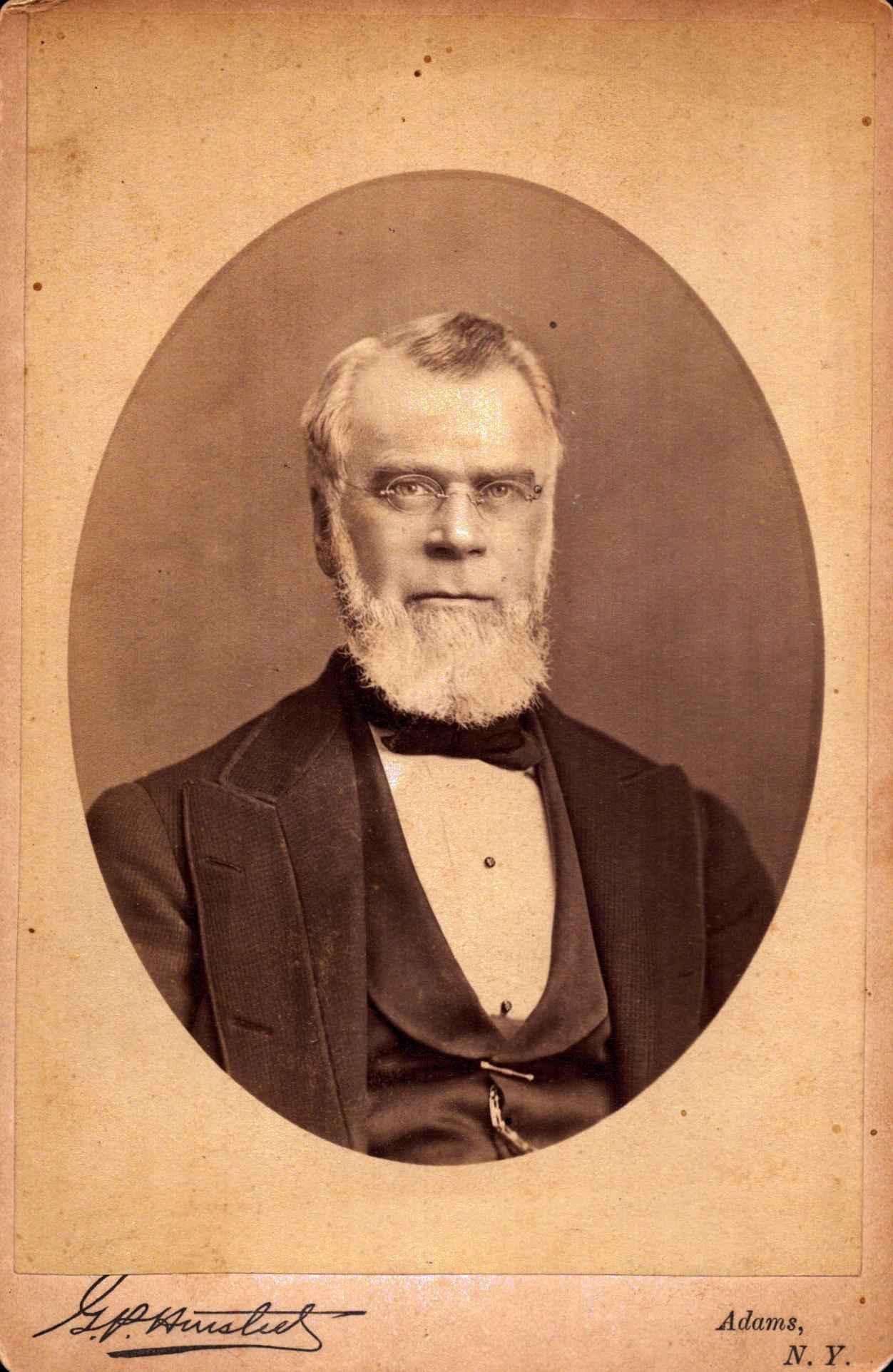
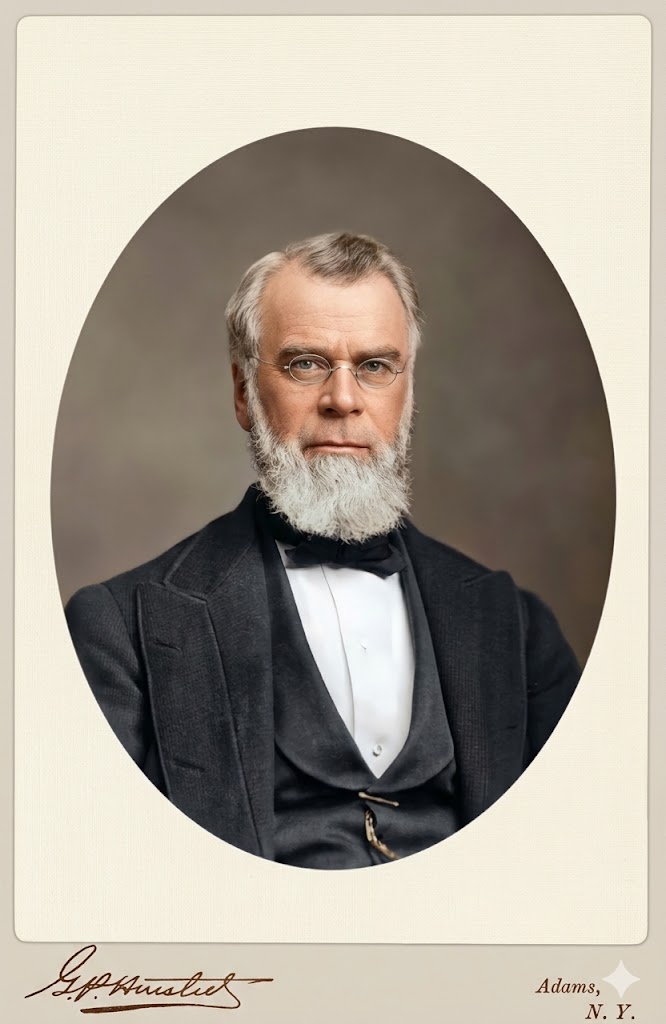
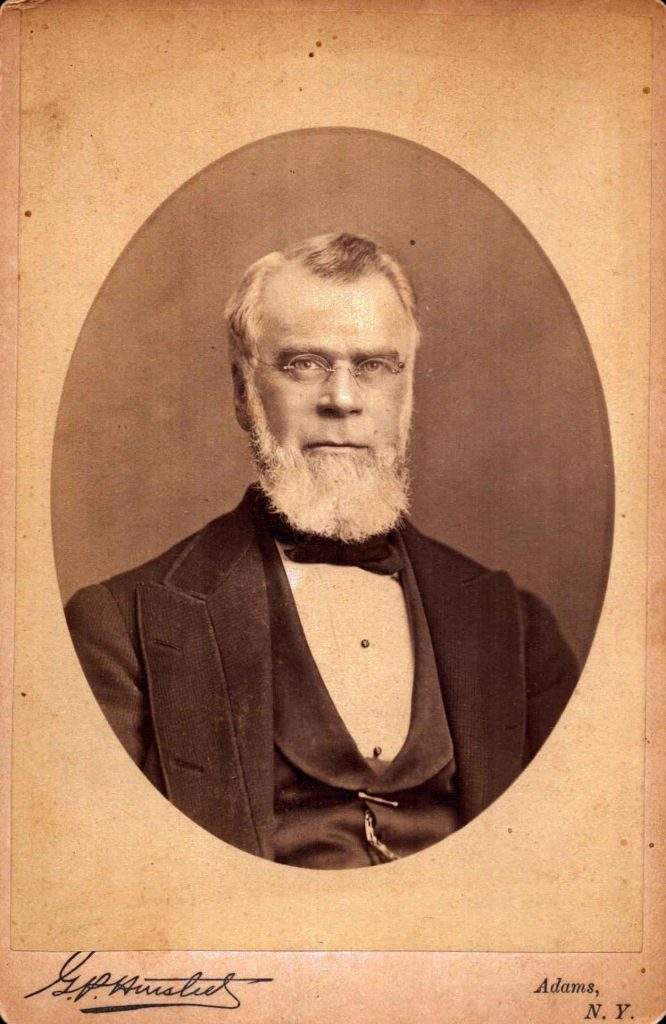
General Solon D. Hungerford stands as a preeminent figure in the nineteenth-century history of Northern New York — a man whose life was defined by a rare combination of financial astuteness, agricultural passion, military duty, and a firm commitment to education. Though he was a self-made man who began his career with little capital, his “sound and clear” judgment and unswerving integrity — along with the support of some well-known family and friends who helped shape his future — propelled him to become one of the Empire State’s most successful and respected bankers.
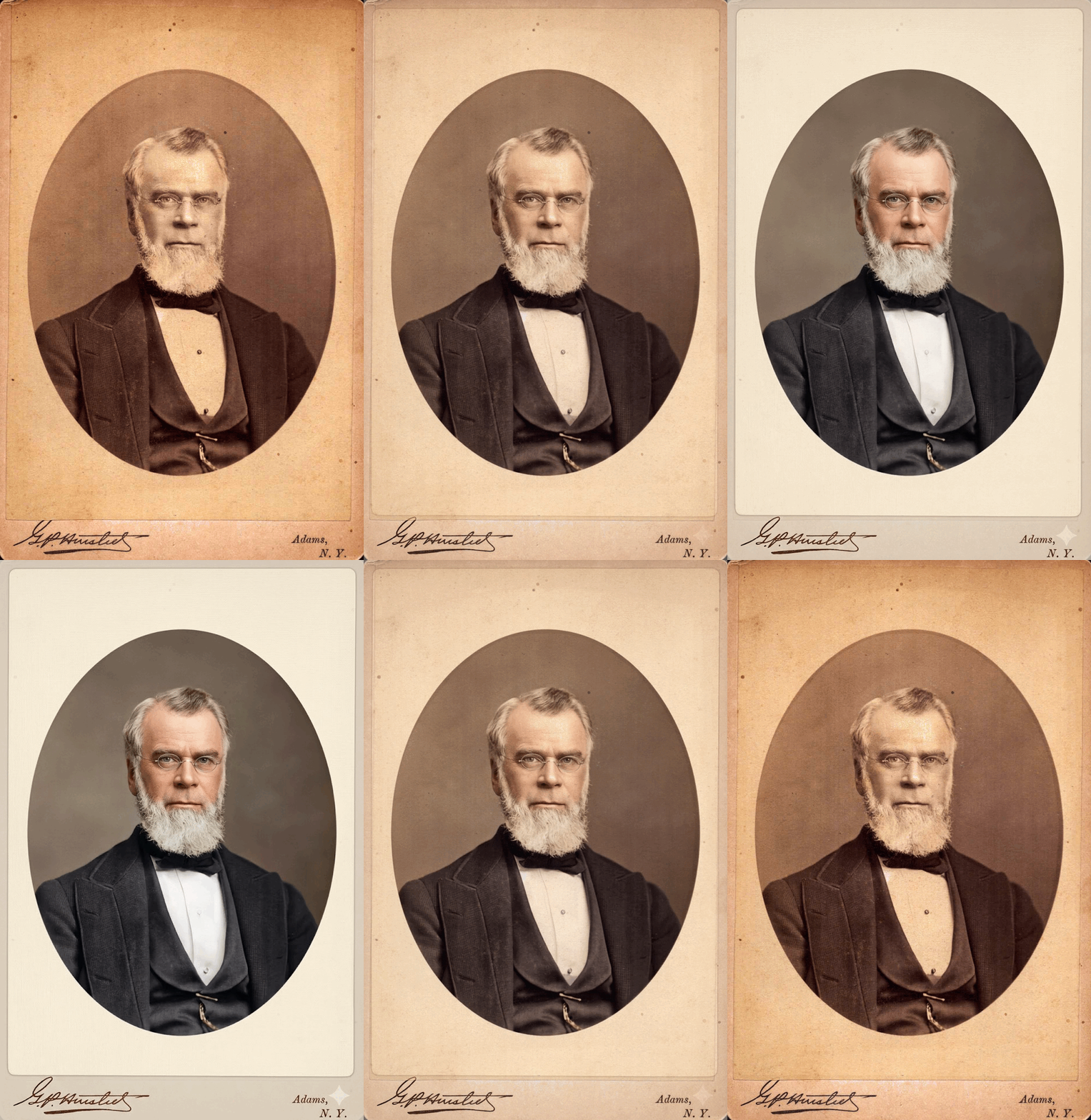
Born March 12, 1818, on a farm in Watertown, NY, to Dexter and Meriette Burr Hungerford, General Solon D. Hungerford was one of five children. As a nephew and understudy of Orville Hungerford, it shouldn’t be surprising to find Adriel Ely as a mutual connection, Solon having entered into Ely’s dry-goods business at the age of fifteen — undoubtedly an apprenticeship that served him much business success throughout his life.
After four years under Ely’s tutelage, Solon wished to pursue college, but, on the advice of Uncle Orville, ended up as a bookkeeper at the Jefferson County Bank. This position eventually led to his promotion to teller for several years before he was elected cashier of the Lewis County Bank in Martinsburg. Two years later, in 1838, Adriel and Orville convinced him to go into banking on his own.
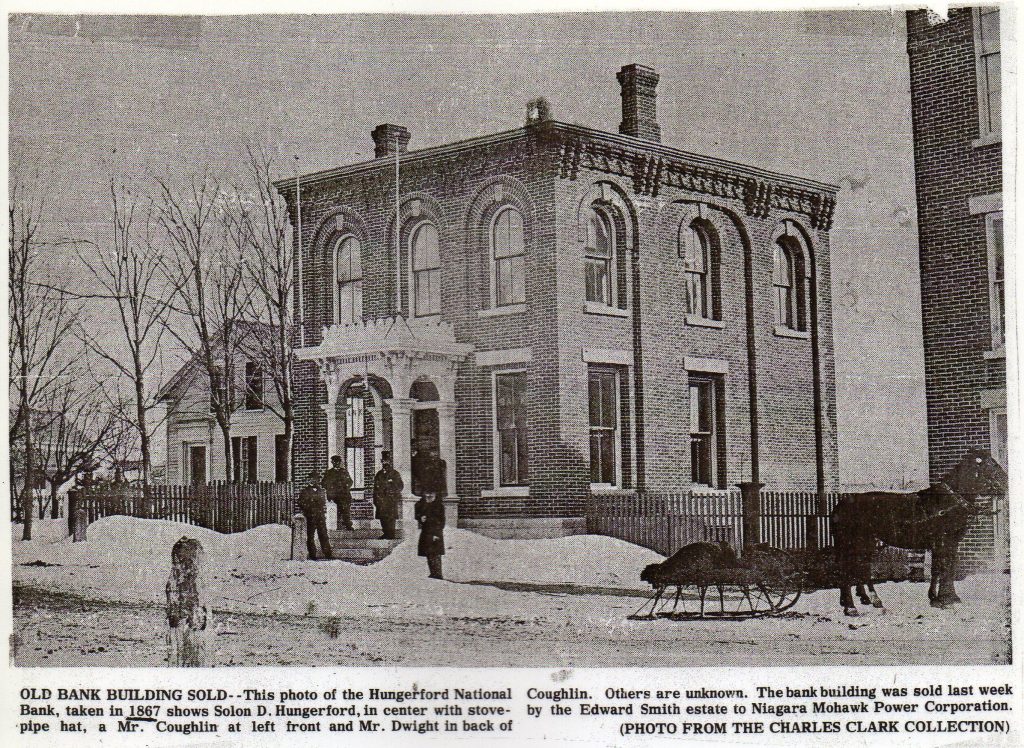
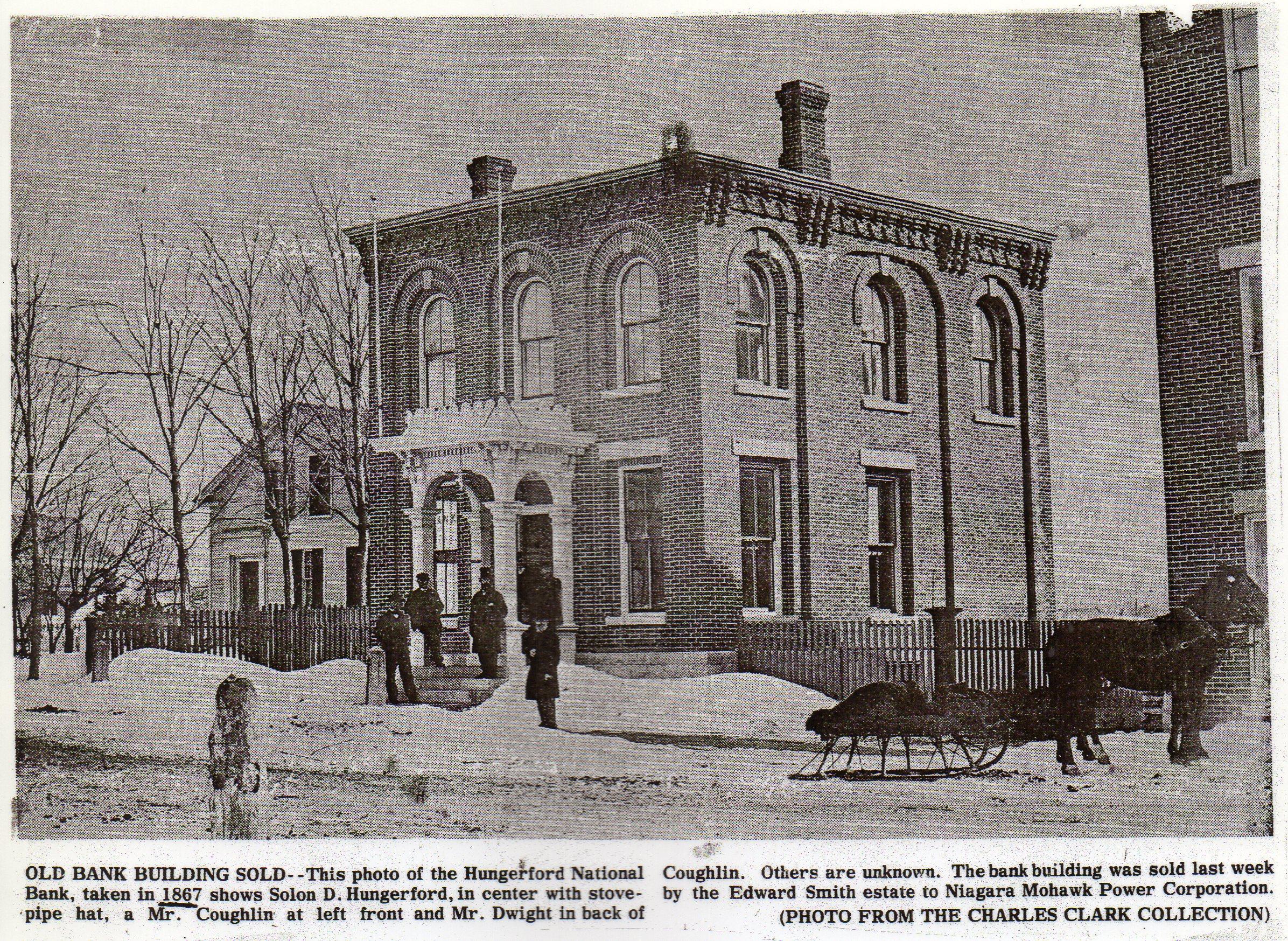
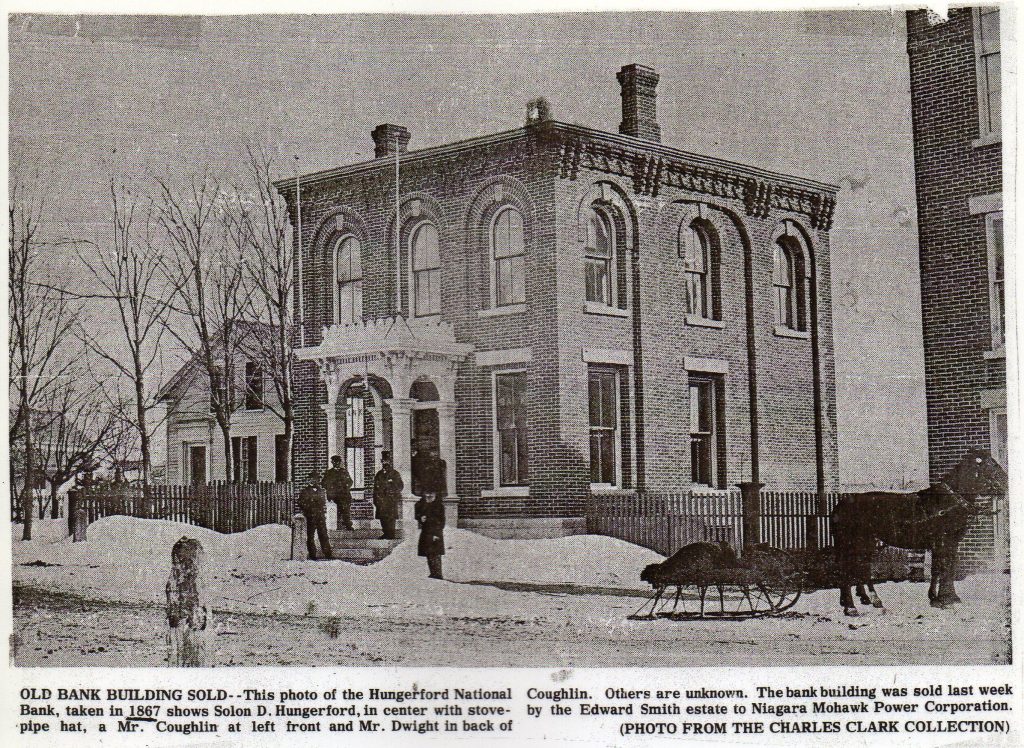
Solon D. Hungerford’s landmark banking achievement, however, came on October 25, 1845, when, at the invitation of influential friends such as Robert B. Doxtator and Lyman R. Lyon, he founded Hungerford’s Bank in Adams, Jefferson County, with an initial capital of $50,000. Under his meticulous guidance, the bank flourished. By 1853, the capital had grown to $125,000.
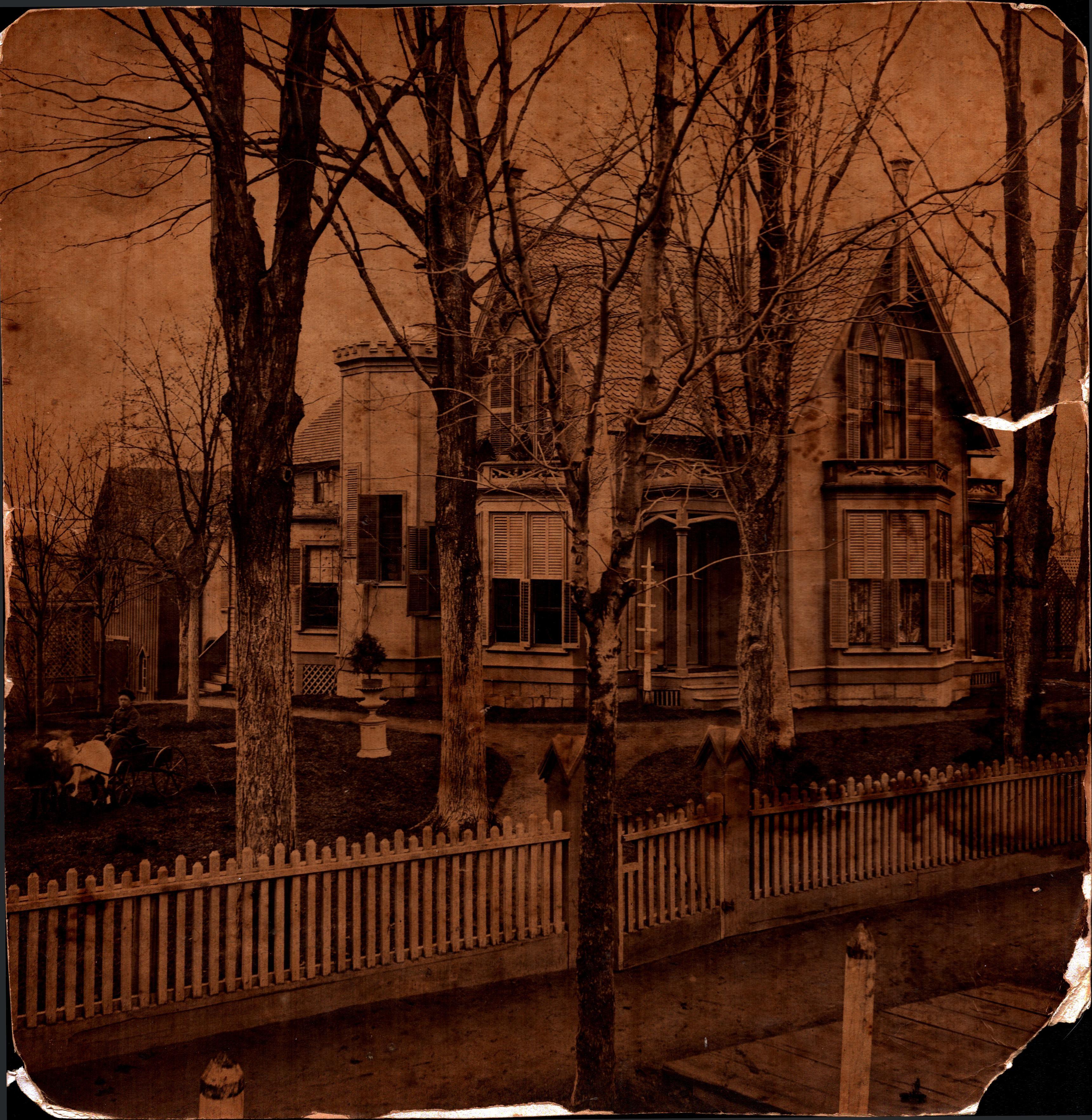
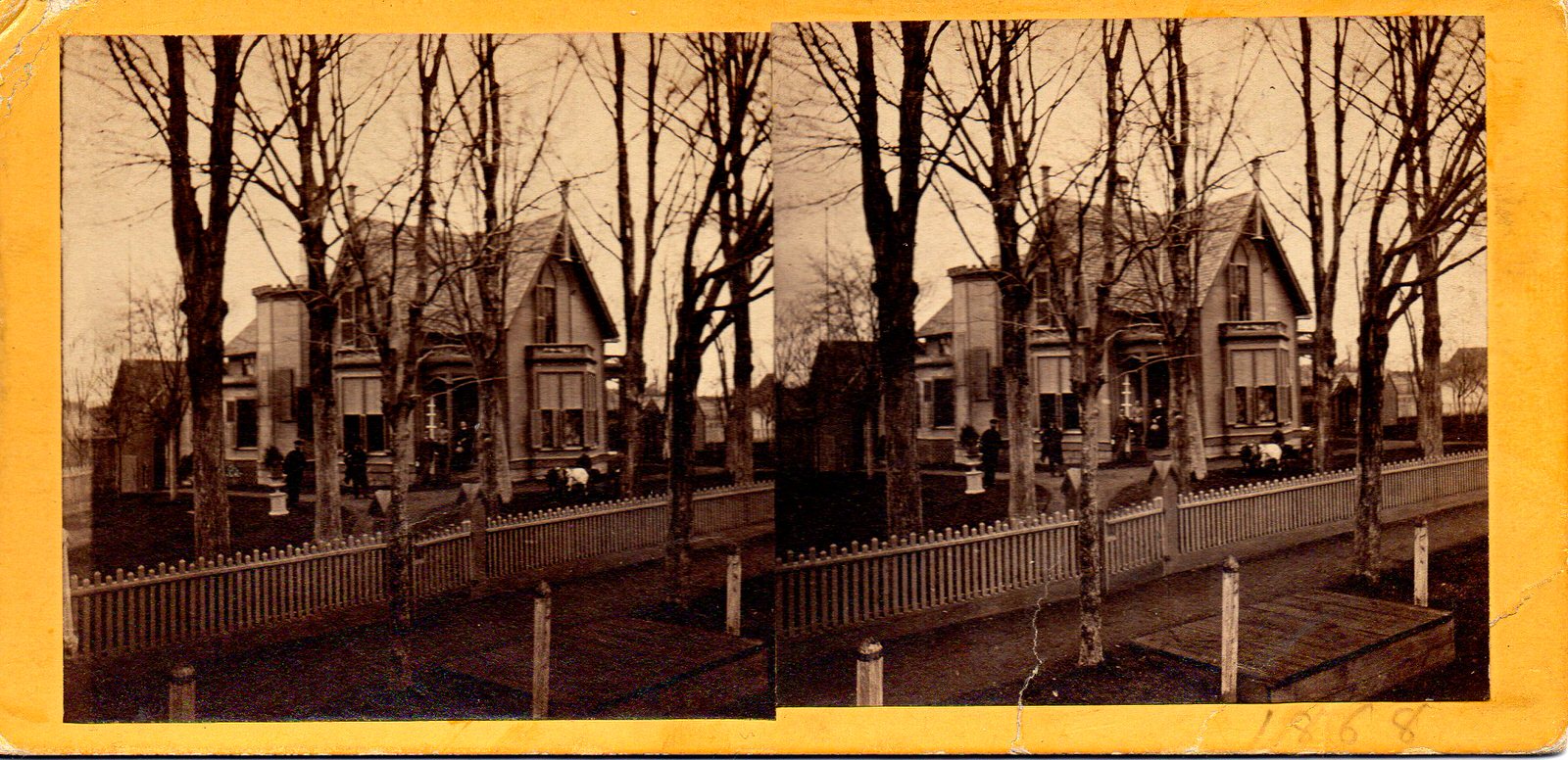
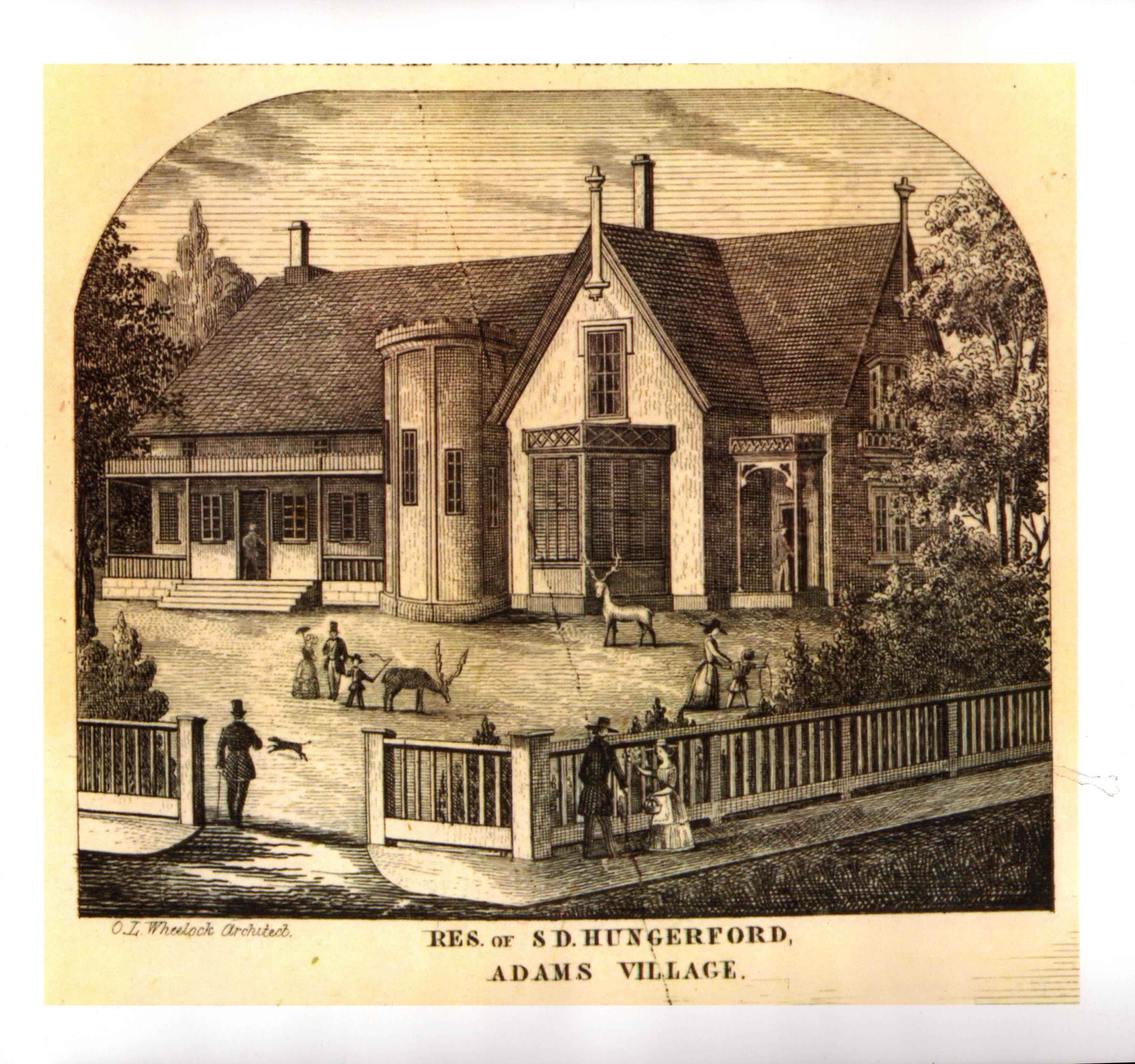
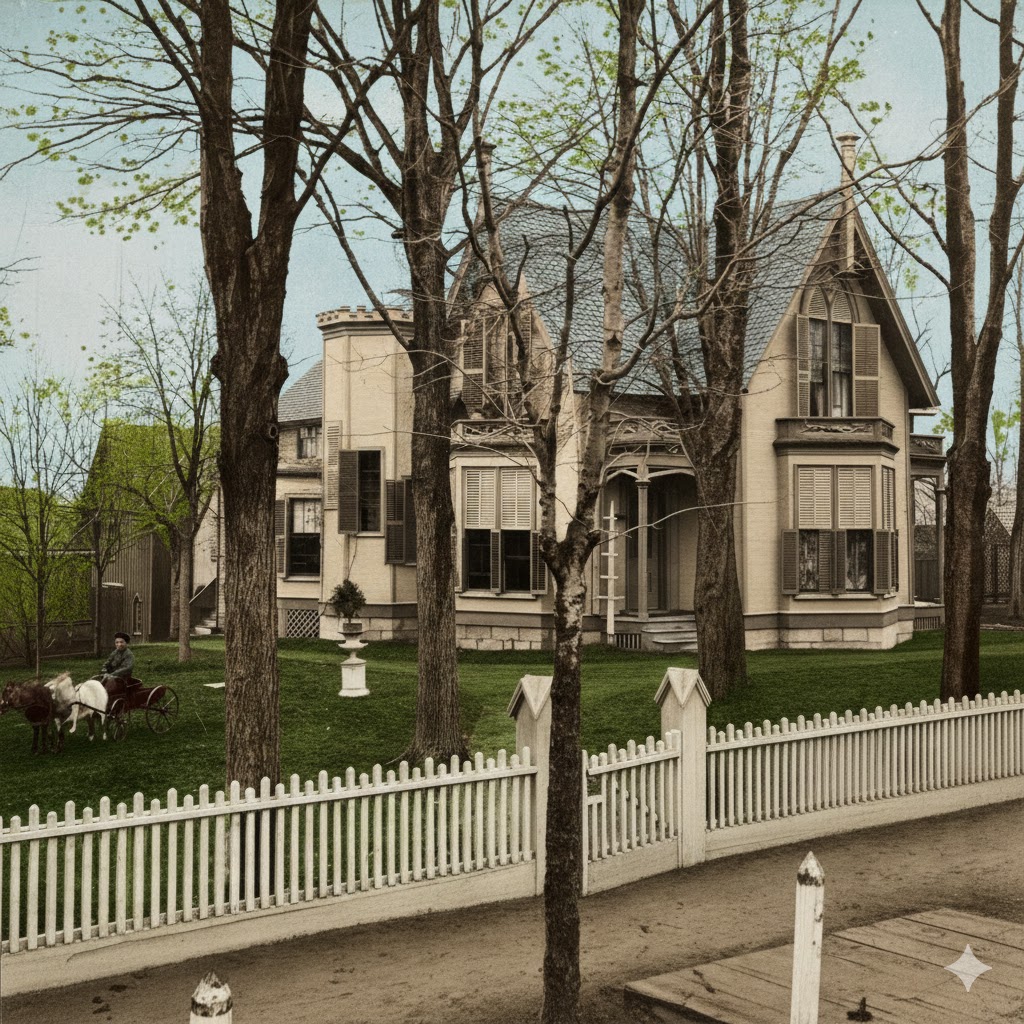
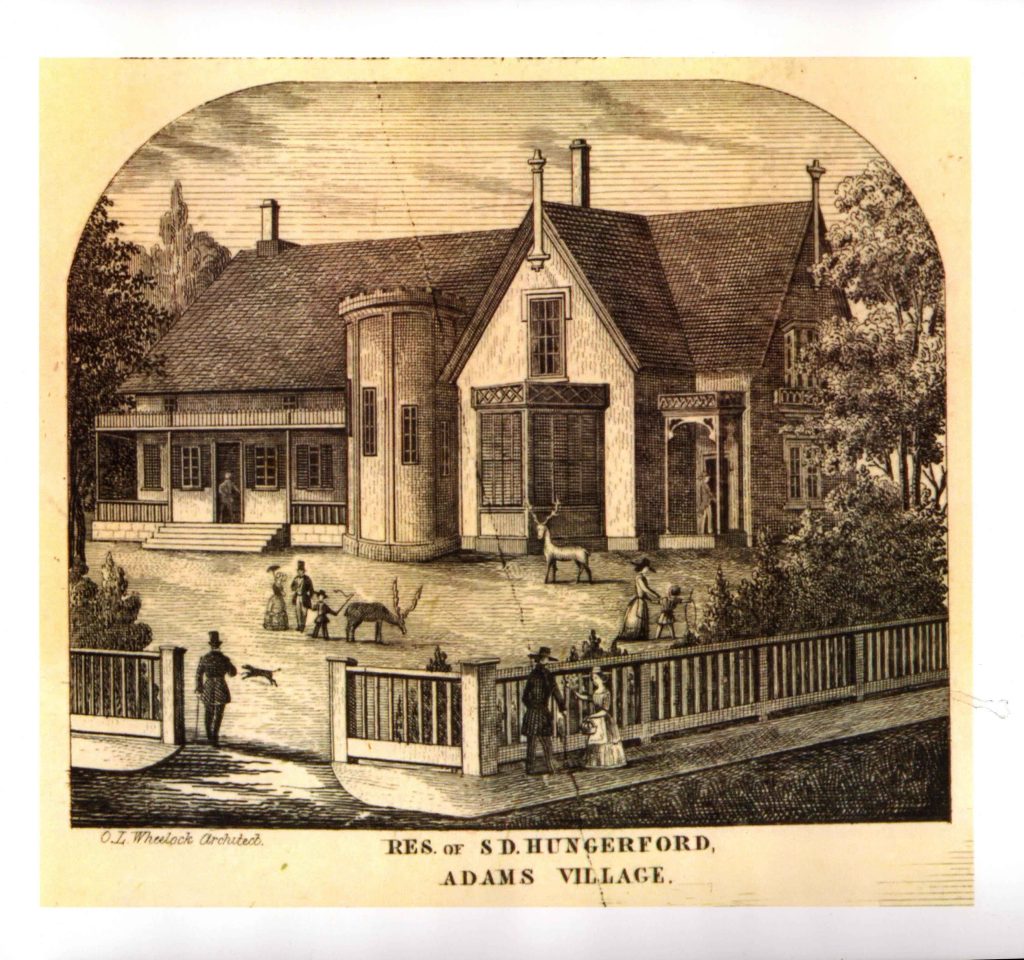
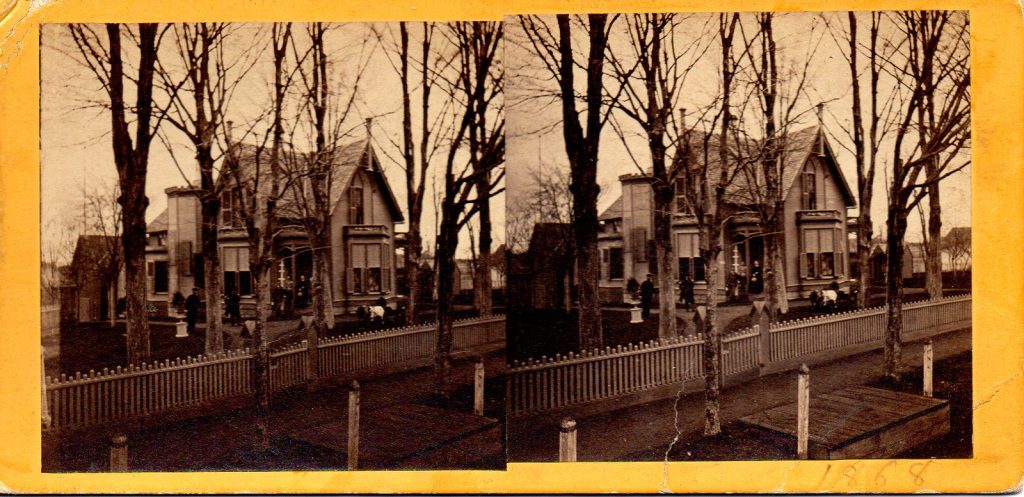
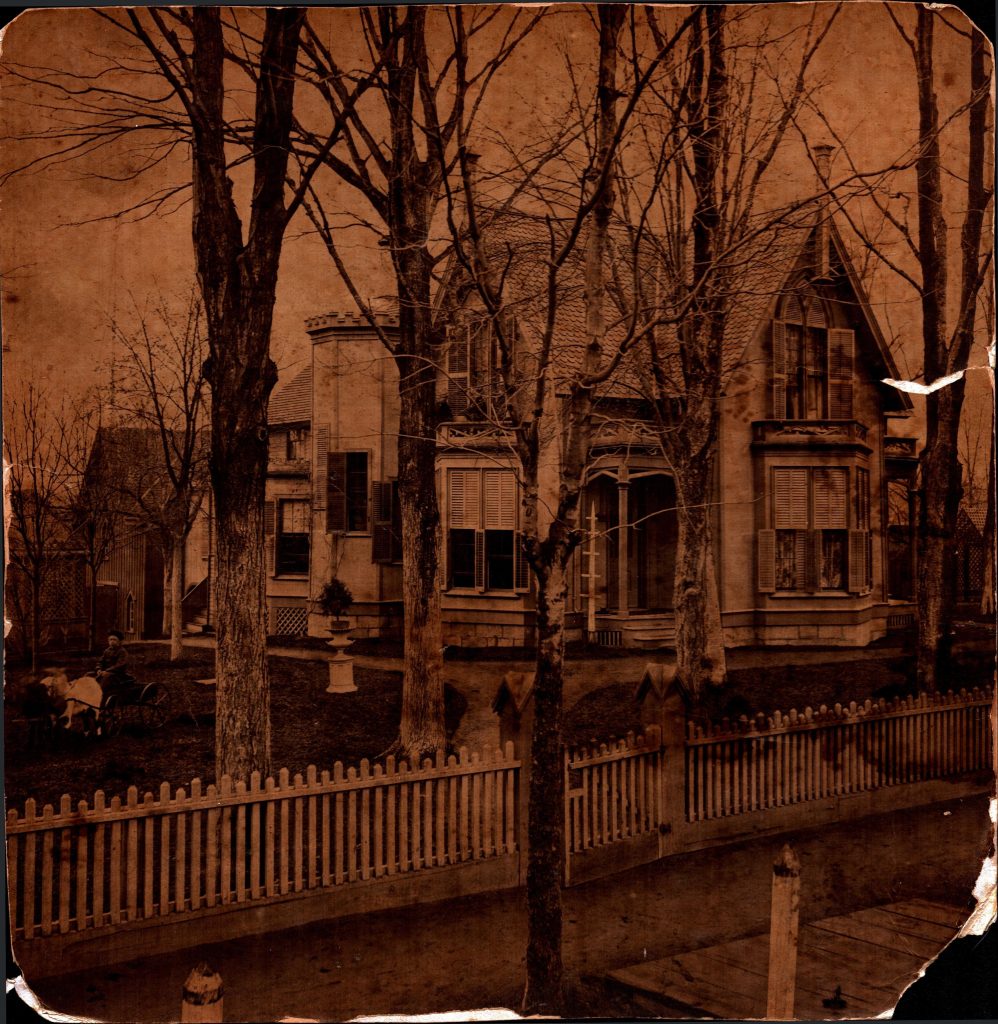
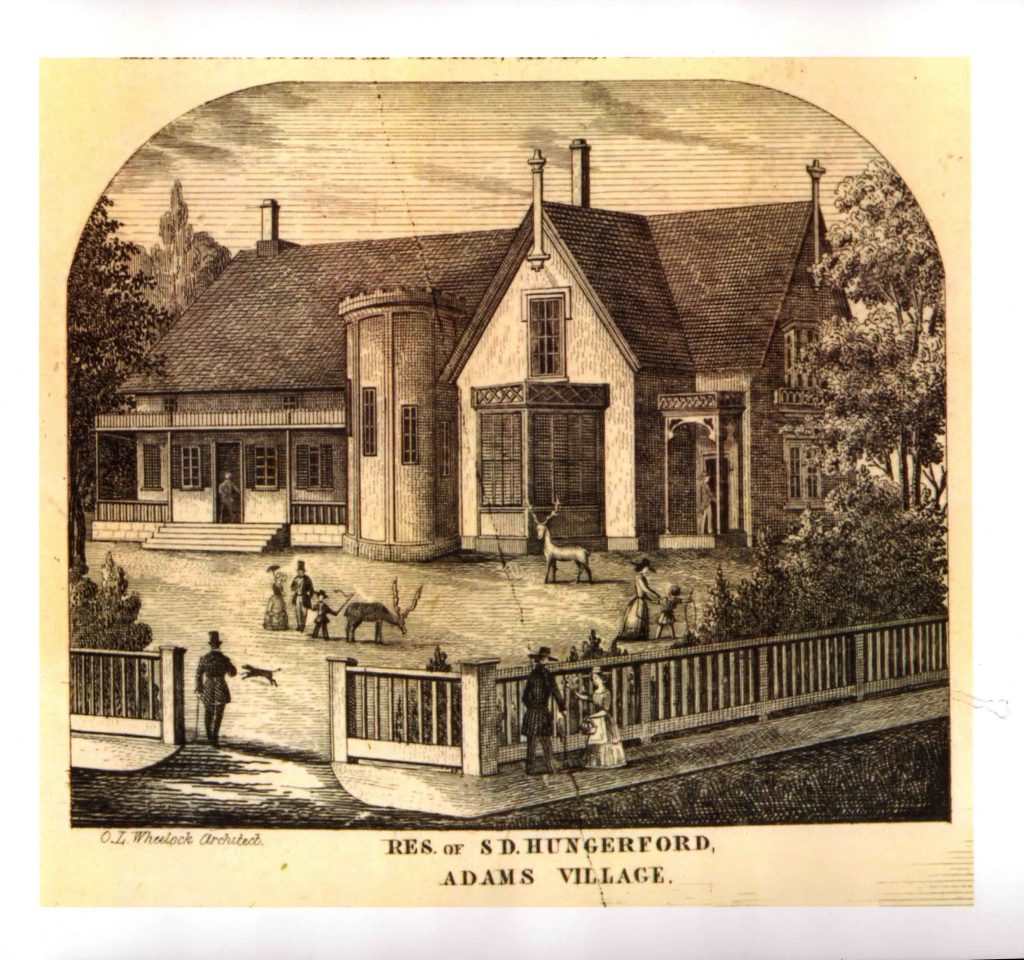
While his office was in the bank, Hungerford’s heart was often in the soil. His love for agriculture was “intense,” providing both a therapeutic escape from the rigors of finance and a platform for civic leadership. He transformed three hundred acres into the “Valley Park Farm,” regarded as one of the most beautiful estates in New York, as one of the many works by architect Otis Wheelock.
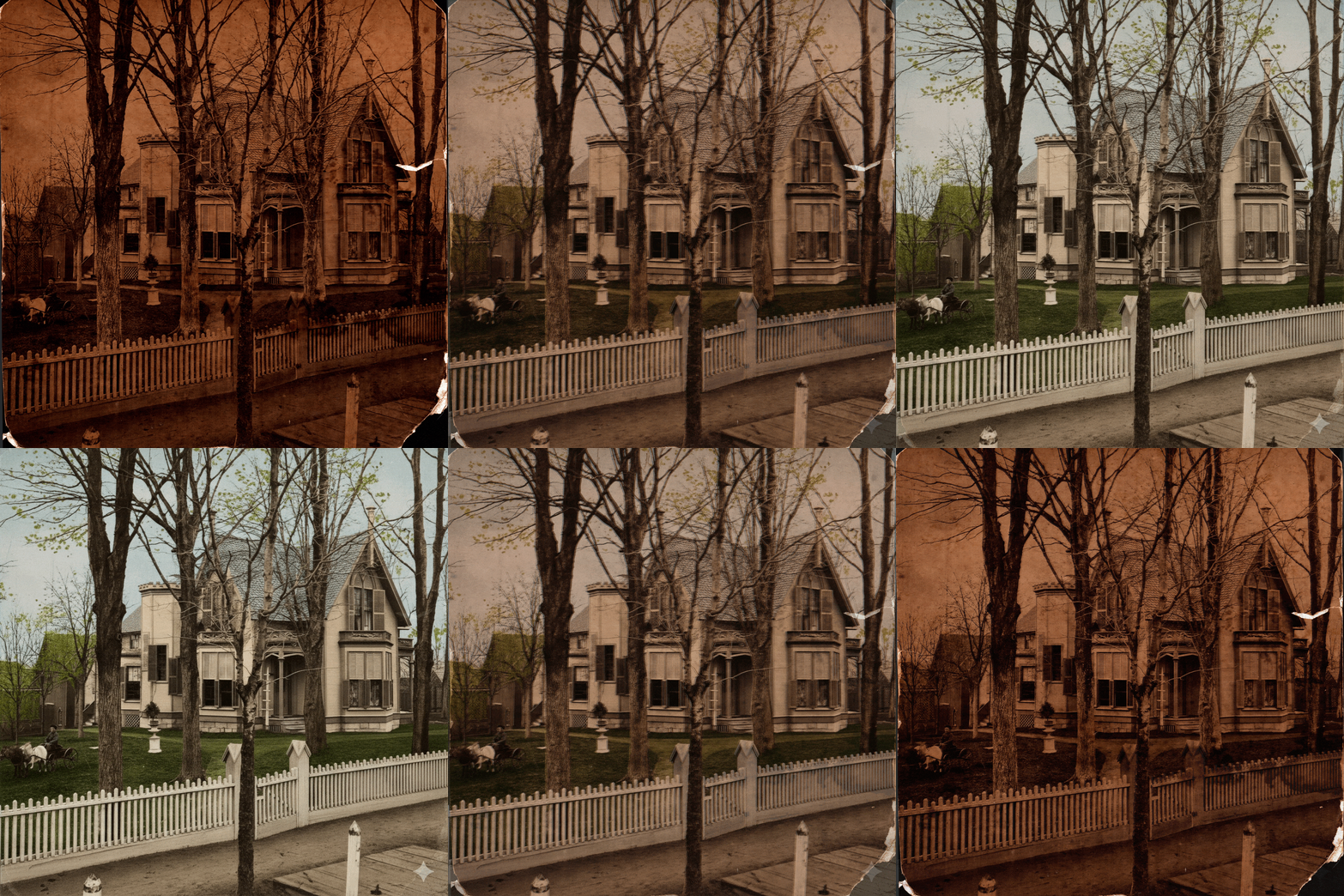
In a retrospective piece on farming published in the Watertown Daily Times on November 10, 1952, Hungerford’s stature in Northern New York was detailed—
But it was as a farmer that General Hungerford possibly contributed most to the growth of the north country. On the outskirts of the village of Adams he developed Valley Park Farm, for many years one of the showplaces of that area.
There he imported purebred cattle, horses, swine and sheep. On his private race track he trained his fast-stepping race horse, and on his big acreage the work was done by purebred Clydesdale equines.
In 1851, James Brodie, a Scot who had settled in Eillisburg, a short distance from Adams, brought into this country a pure-bred Ayrshire bull and cow. Gen. Hungerford, who had long realized the need for improvement in American cattle, after seeing the Brodie animals and studying the performances of the progenitors, decided that the Ayrshire breed best answered the needs of northern New York dairymen. In 1852 he imported six purebred animals of that breed direct from Scotland and laid the foundations of his herd which later grew steadily in size until his Adams farm were quartered more than 80 head.
On this land, he became a premier breeder of thoroughbred Ayrshire cattle, as well as Short Horns, Leicester sheep, and Yorkshire swine. His prized cow, “Bessie,” became a national sensation, winning first-class prizes from the United States Agricultural Society. His agricultural expertise was sought after at the highest levels; he served sixteen years on the Executive Board of the New York State Agricultural Society and eventually served as its President.
For Hungerford, agriculture was a noble pursuit, and he notably championed the State Society for its refusal to permit horse racing or “fast driving” on its grounds, focusing instead on the improvement of breeds and scientific farming.
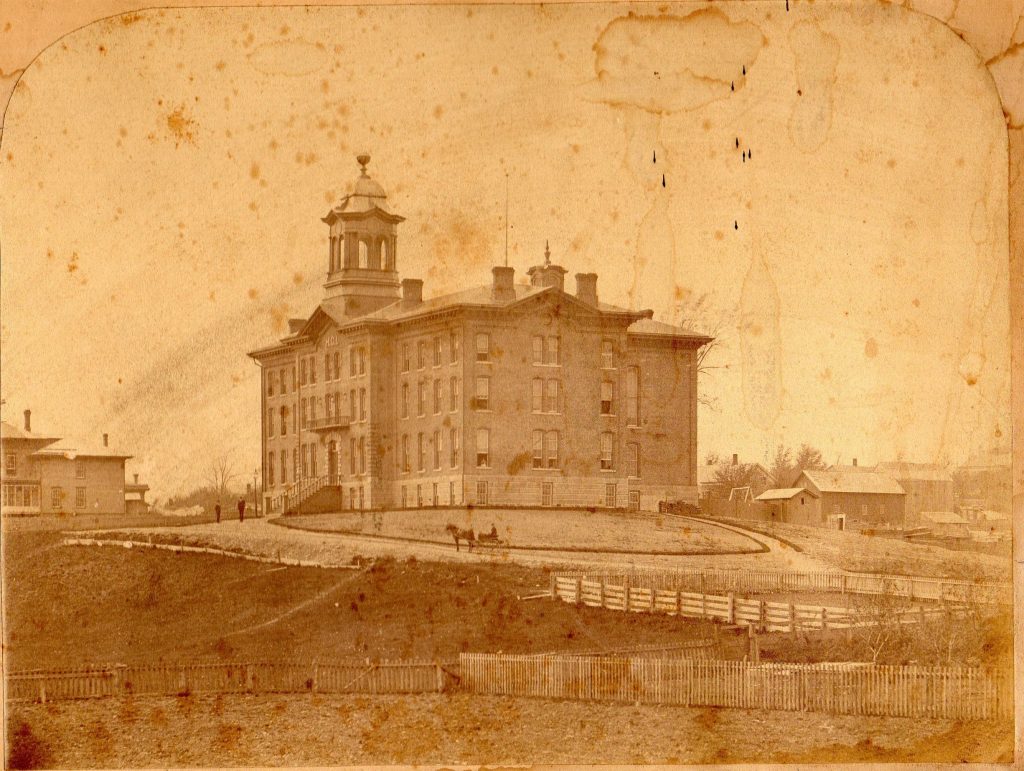
In addition to banking and farming, Solon D. Hungerford had long had his sights on education. He once noted that the dream of establishing a first-class educational institution in his native county had been on his mind since before he possessed even $1,000. In 1864, when a large building originally intended as a hotel came into his possession, he donated the property to a board of trustees to establish the Adams Collegiate Institute. Its inauguration exercises were attended by the likes of General Joseph “Fighting Joe” Hooker, who gave a speech on the importance of education, as well as Dr. Samuel Ware Fisher, D.D., LL.D, President of Hamilton College, which has long since been associated with the Hungerford family.
When the original building tragically burned down three years later, Hungerford did not waver. He offered to double whatever sum the citizens could raise to rebuild. This challenge resulted in a $30,000 donation from Hungerford himself, leading to the creation of the Hungerford Collegiate Institute (H.C.I.)—a magnificent stone-and-brick structure worth $100,000, constructed on the northern border of the village on Institute Street.
According to John A. Haddock’s Growth of a Century—
This building was occupied from 1870 to 1882. It having been sold for a debt, and the trustees being unable to agree with the purchaser for further occupation, upon terms that they deemed just, the school was removed in 1882 to a block in the business portion of the village. It remained there until burned out in a disastrous village fire, August 28, 1884 (note: in 1883, the name was restored to Adams Collegiate Institute by the State Regents.)
The 1884 fire allowed for the Institute to relocate back to the Academy building that was previously lost to a debt payment, and the Hungerford Collegiate Institute name was restored.
Last, but not least, Solon D. Hungerford’s sense of duty extended to the defense of his state and nation. His military career spanned decades, beginning in 1835. He rose through the ranks of the New York State Militia, eventually commissioned as Brigadier General of the Eighteenth Brigade in 1859.
When the Civil War broke out in 1861, General Hungerford was untiring in his efforts to organize volunteer companies and forward men to the front. Despite holding conservative political views, his loyalty to the Union was “uncompromising,” and he devoted significant personal time and wealth to the cause.
In 1866, his popularity led to a unanimous nomination for Congress by the National Union Party. However, in a display of the integrity that characterized his life, Hungerford declined the nomination. In a thoughtful “Letter of Declination,” he explained that while he opposed the radical elements of the Republican party and favored a kind treatment of the South post-war, he was unwilling to identify with any party that had shown sympathy for the rebellion during the conflict. He preferred to “stand aloof from all parties” rather than compromise his principles for political power.
In his later years, Hungerford faced health challenges following a fall from his horse in 1867, an accident that required him to adopt a more tempered pace of life. Nevertheless, he remained a pillar of the Adams community—a man who did not wait for the “compulsory surrender of his wealth” at death, but chose instead to build his own monuments in the form of banks, farms, and schools while he was still alive to see them flourish.
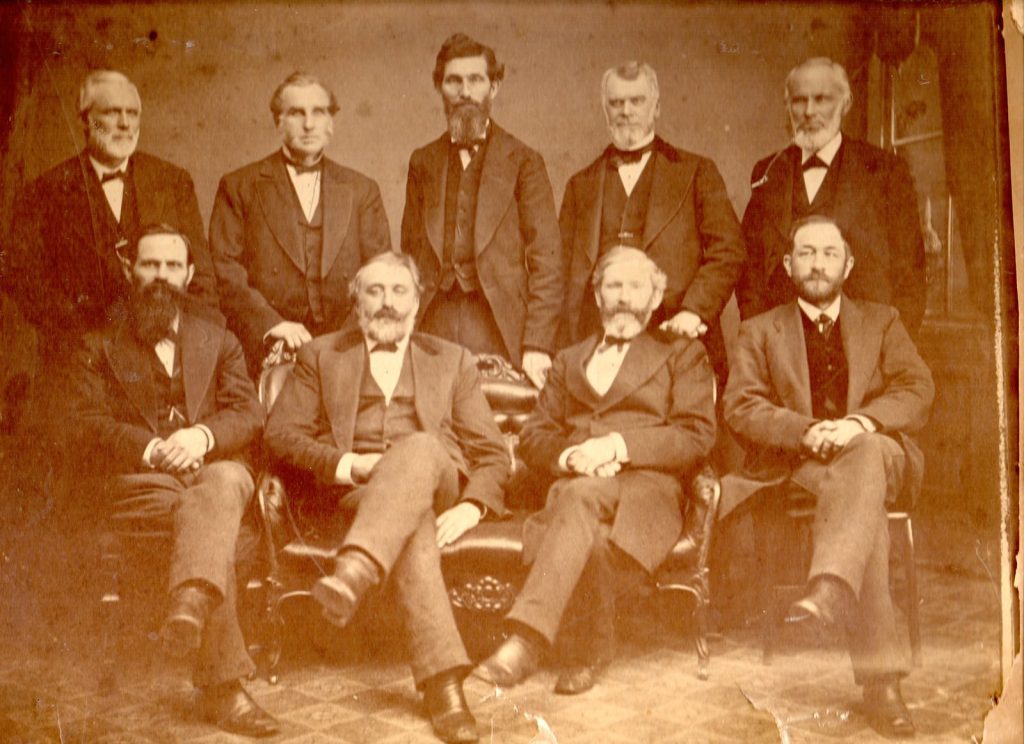
As for the Valley Park Farm, after Hungerford died in 1884, it changed ownership numerous times, remaining a strong farming pillar in Northern New York for over a century. In 1893, ownership passed to Thousand Island and Washington, D.C. hotelier Orren G. Staples. As noted in a Watertown Daily Times article published March 21, of that year—
O. G. Staples, proprietor of the Willard house, Washington, who recently bought the Valley Park Farm on Park Street, is in town today, viewing his new purchase. He states that he is thinking of erecting a summer residence, sufficiently large to accommodate about fifteen families, and that he, in company with friends from Washington, will occupy it for about two months during the summer season. Mr. Staples speaks very highly of the Adams mineral springs, of the beauty of the village, and of its pleasant surroundings.
In its later years, the Valley Park Farm was owned by the Bedor family. Junior William Bedor began raising dairy cows on the farm in 1962, and later a beef farm. In 2010, 76 acres of the farmland were used for the development of single-family homes.