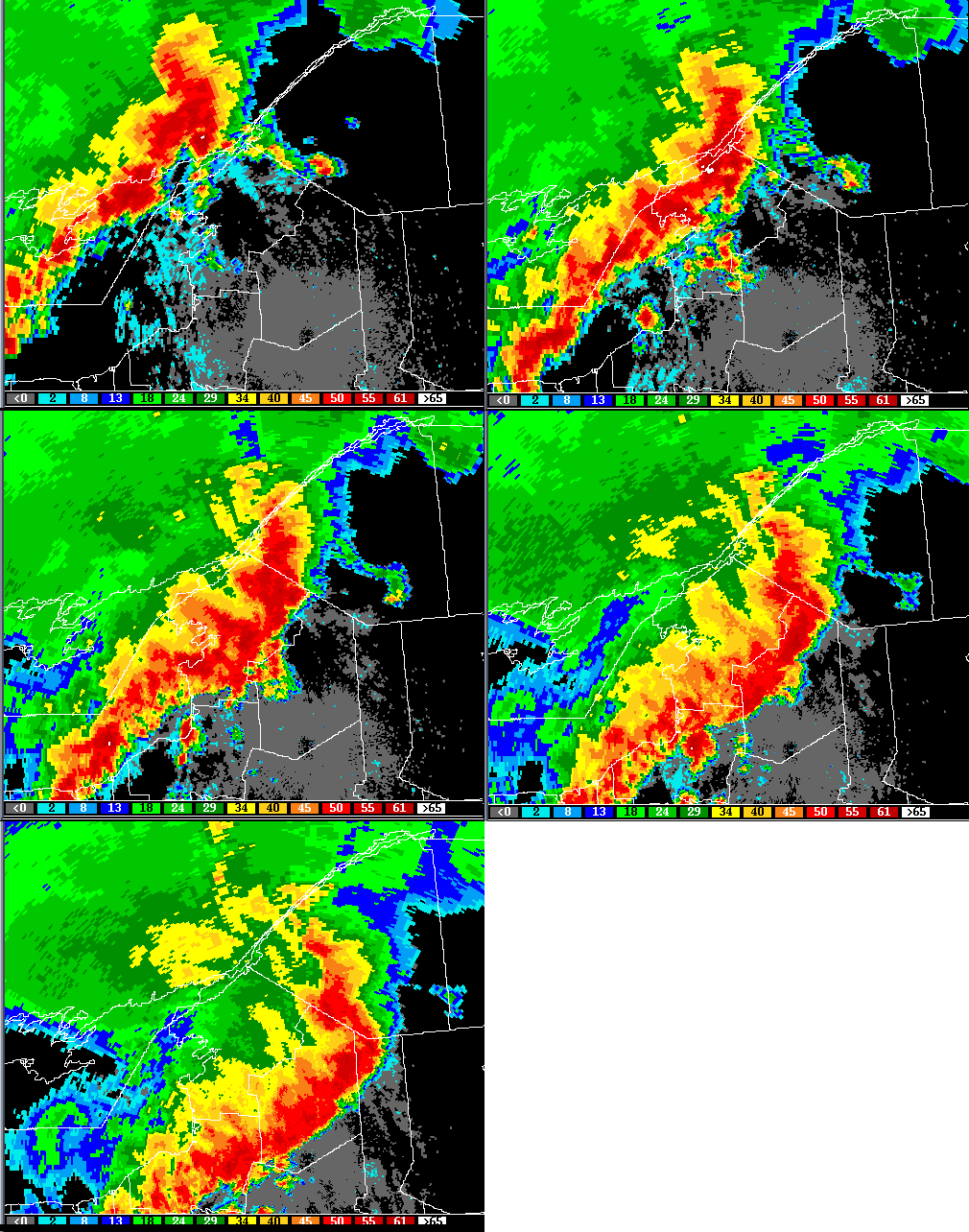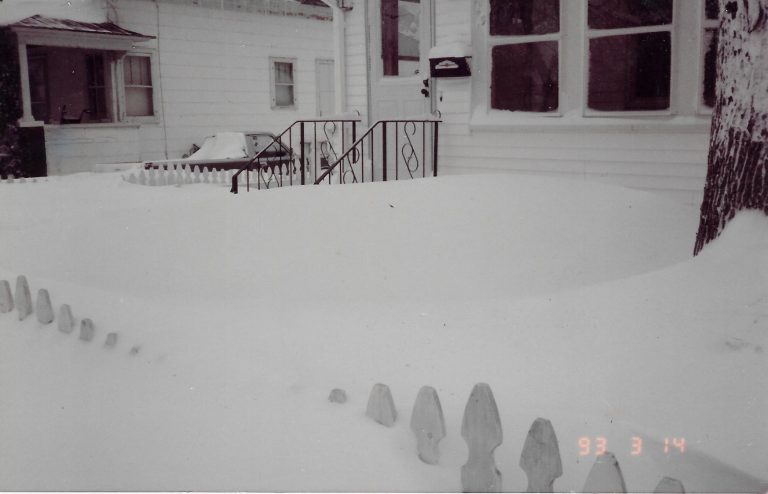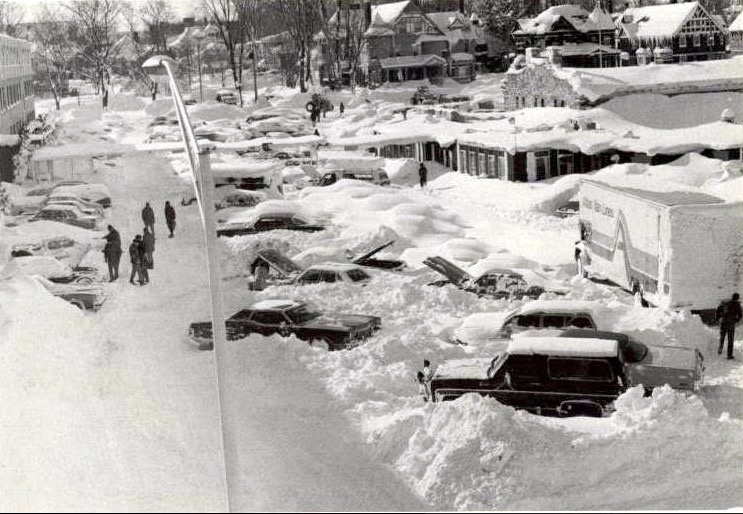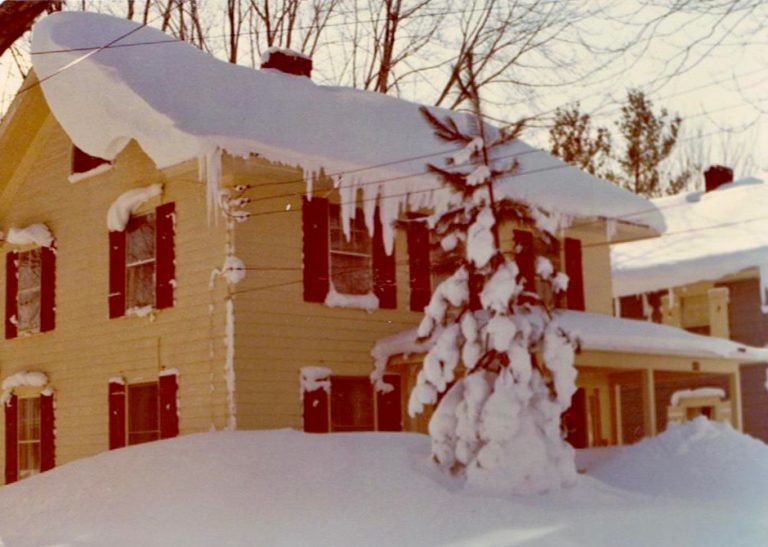
1995 Northern New York “Microburst” Introduced New Vocabulary Terms
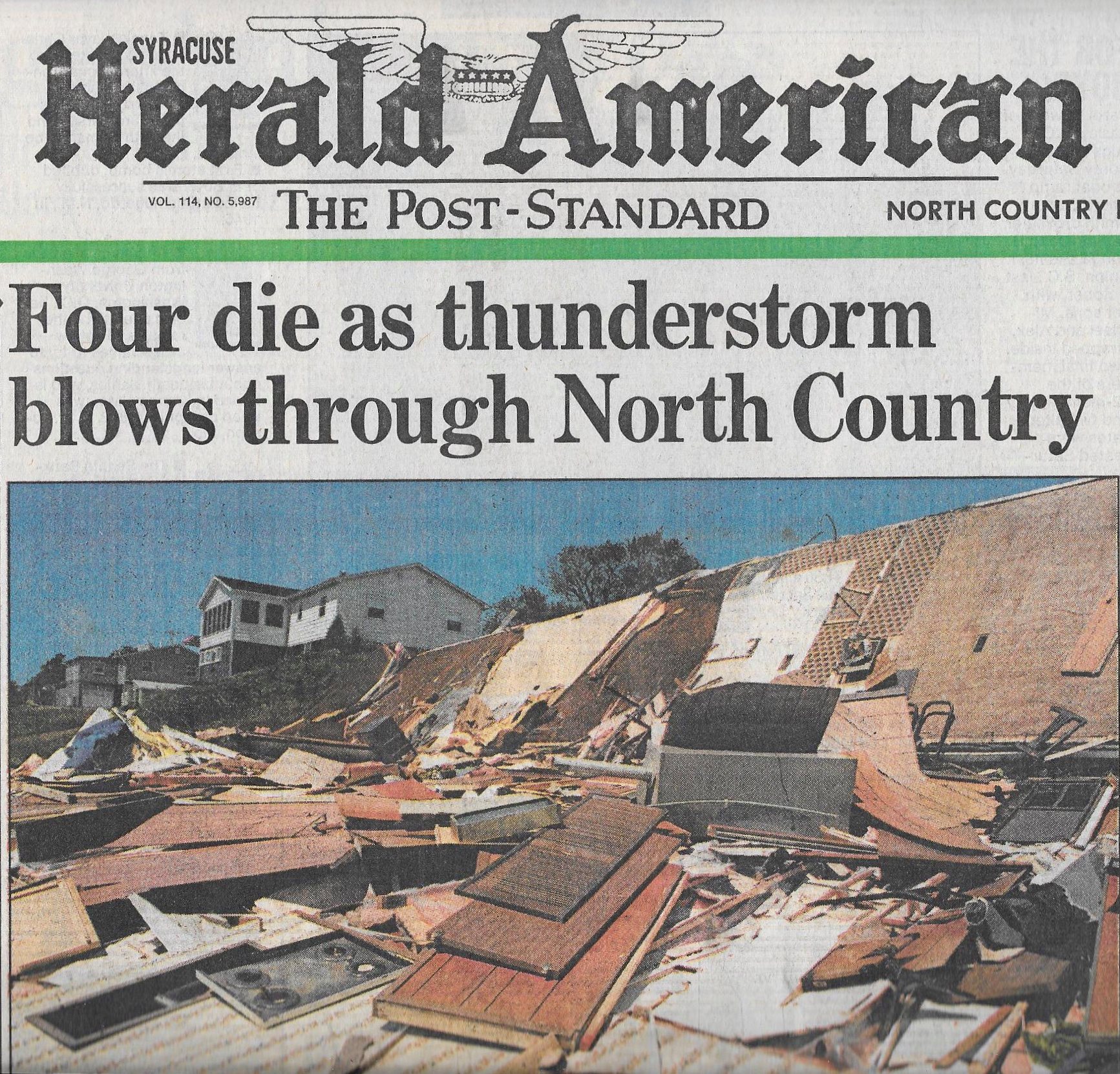
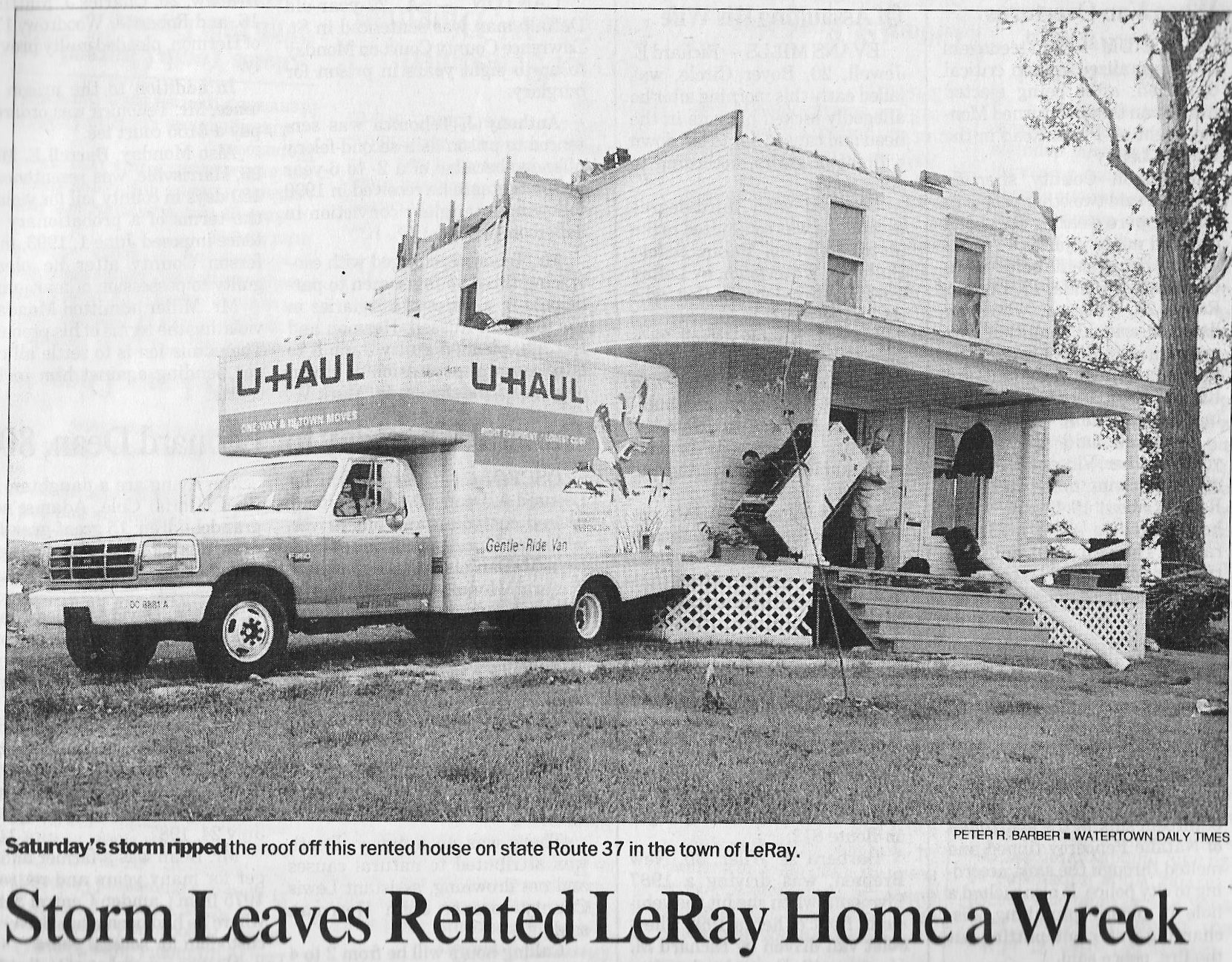
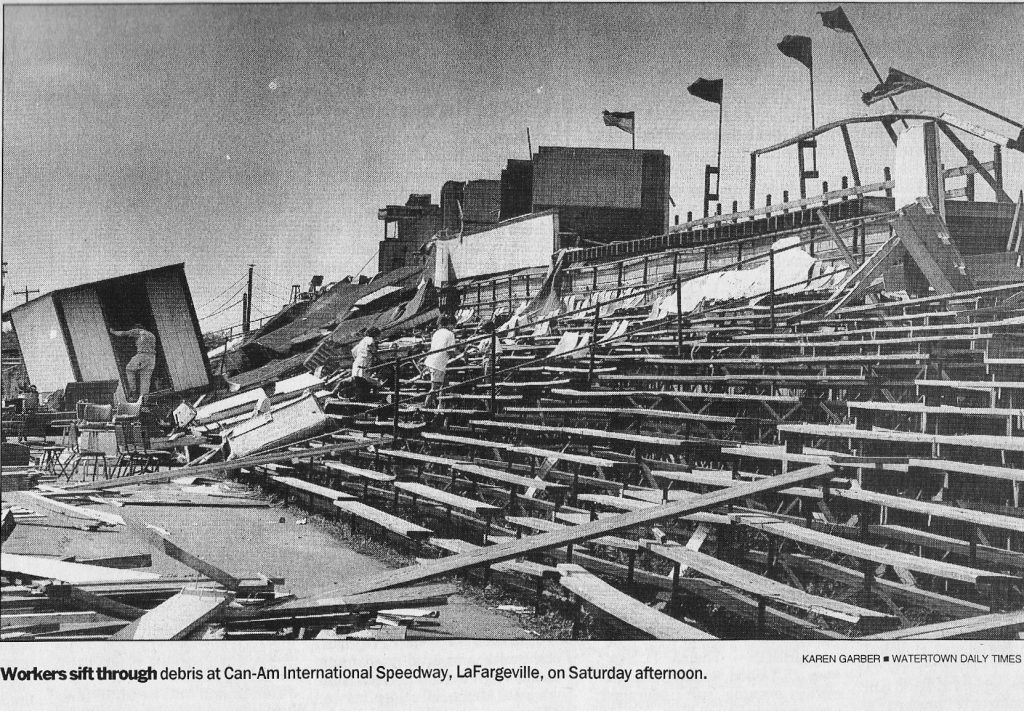
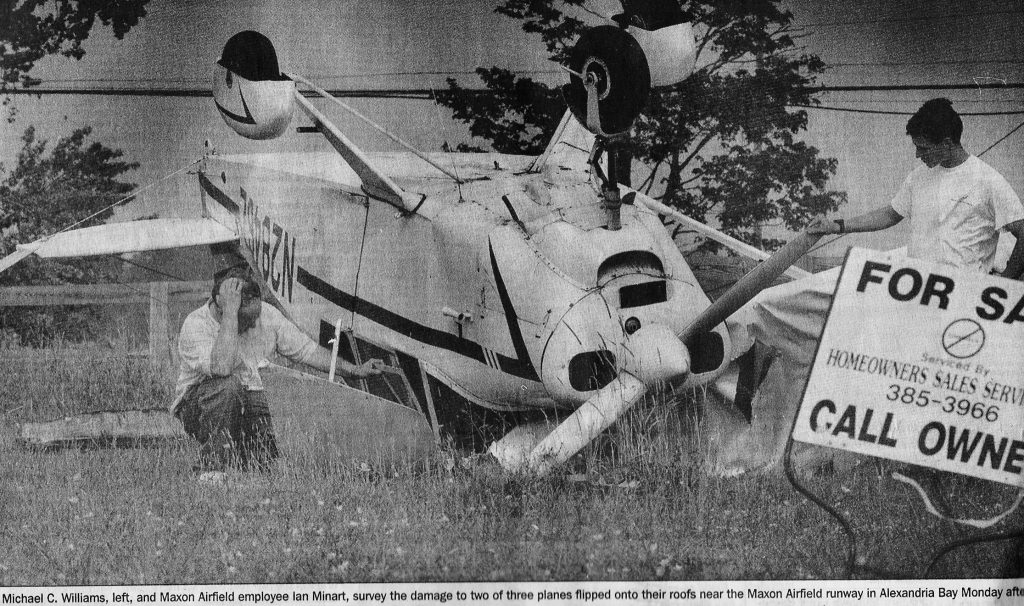
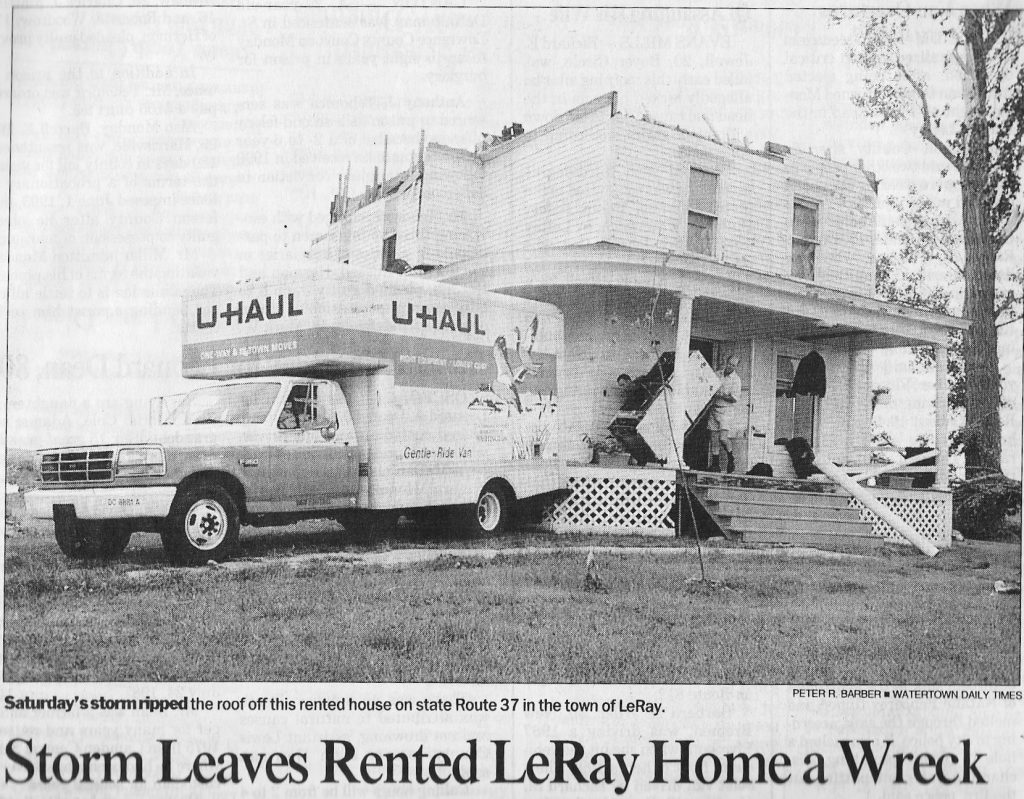
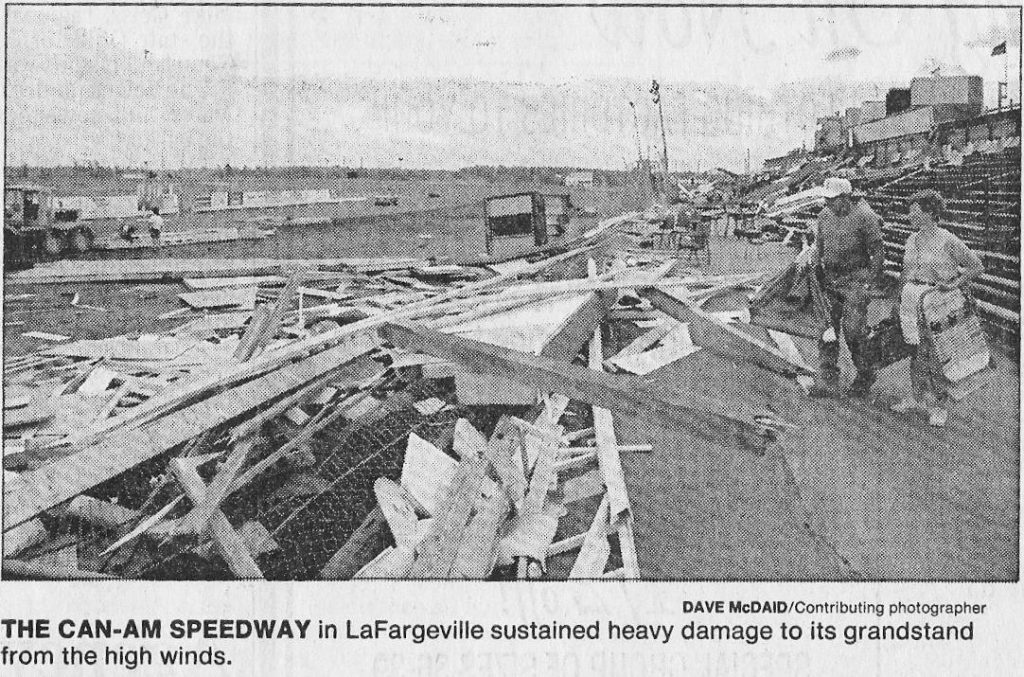
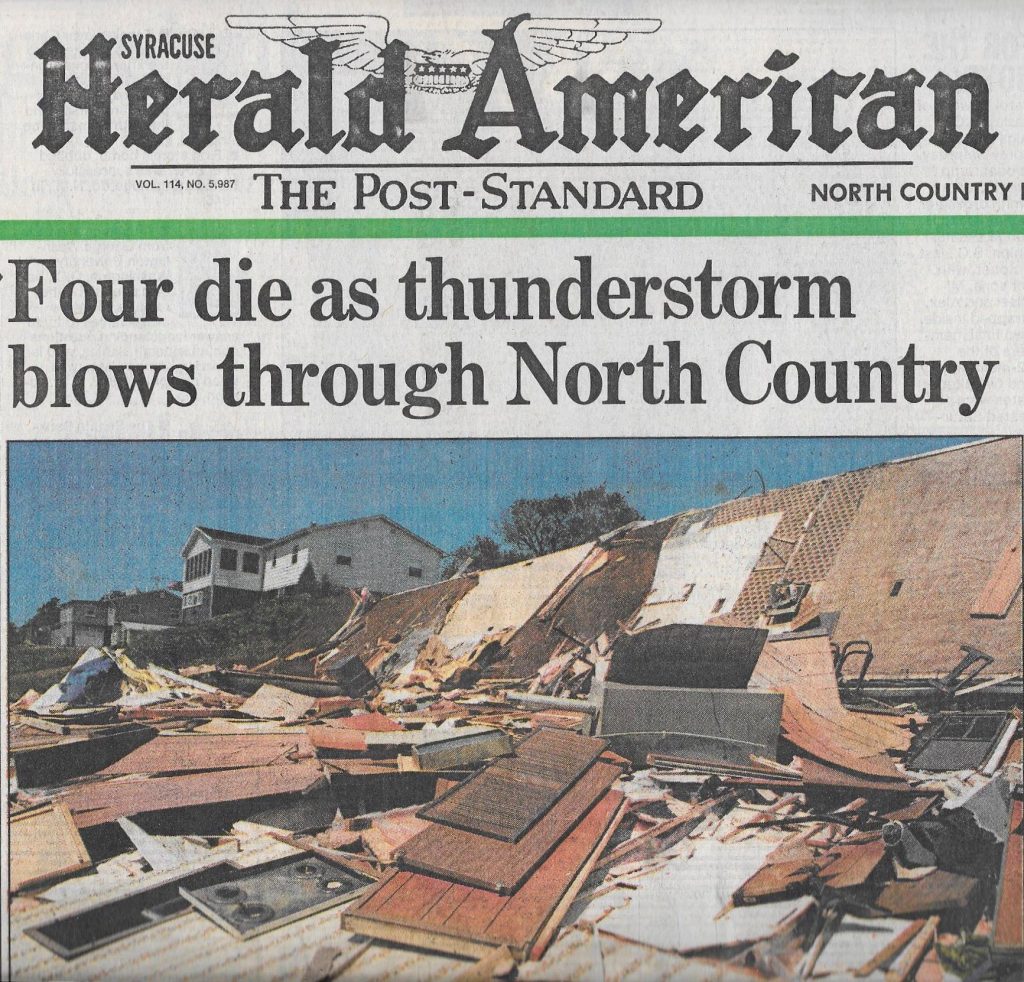
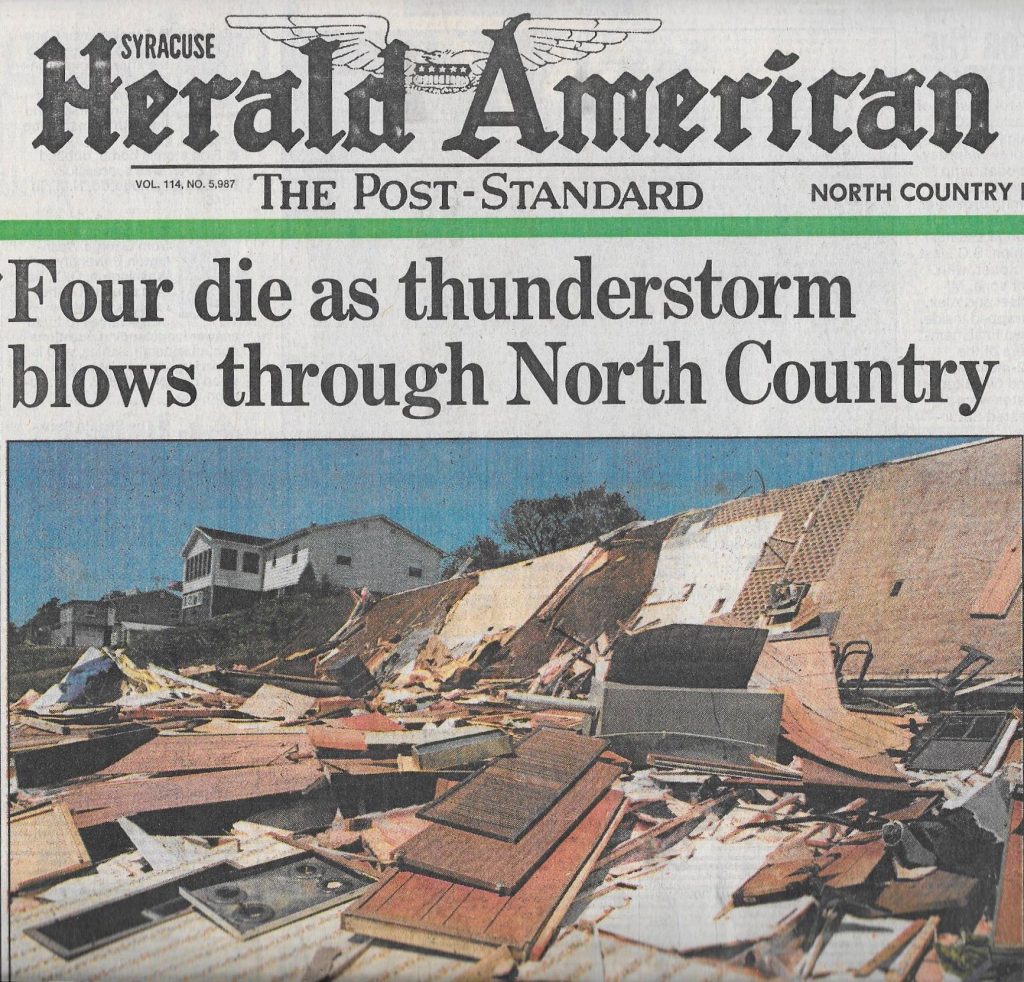
The 1995 Northern New York microburst that blew through the North Country in the early morning hours of Saturday, July 15, was a storm like no other. In fact, so rare were the events that the words “microburst” and “derecho” weren’t yet part of most people’s lexicon. By the time the series of storms swept through Jefferson, St. Lawrence, and Lewis Counties around 4 a.m. before ravaging the Adirondacks, many were left speechless and wondering what had just happened.
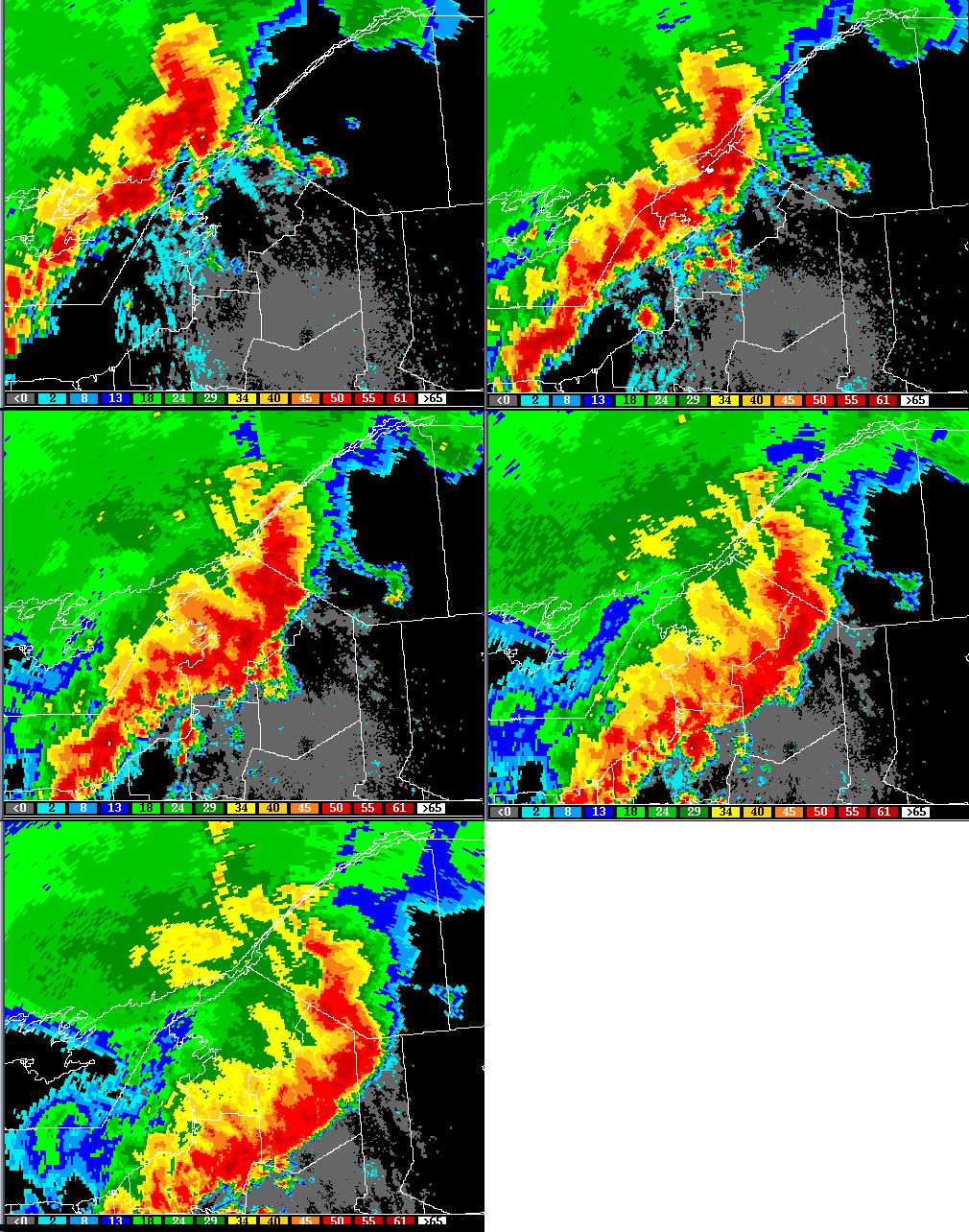
At the microburst’s peak, it was reported that over 600 lightning strikes were observed in 10 minutes; that’s one strike for every second. While this writer missed out on the local events, I did play the role of witness from afar, specifically the western suburbs of Rochester. There, at approximately 3:30 a.m., the skies to the distant north over Lake Ontario were relentlessly flashing like a strobe light as the storms made their way from Canada. It wasn’t until later that morning that I received a phone call, telling me it was a good thing I didn’t make the early morning trek to Watertown for the weekend.
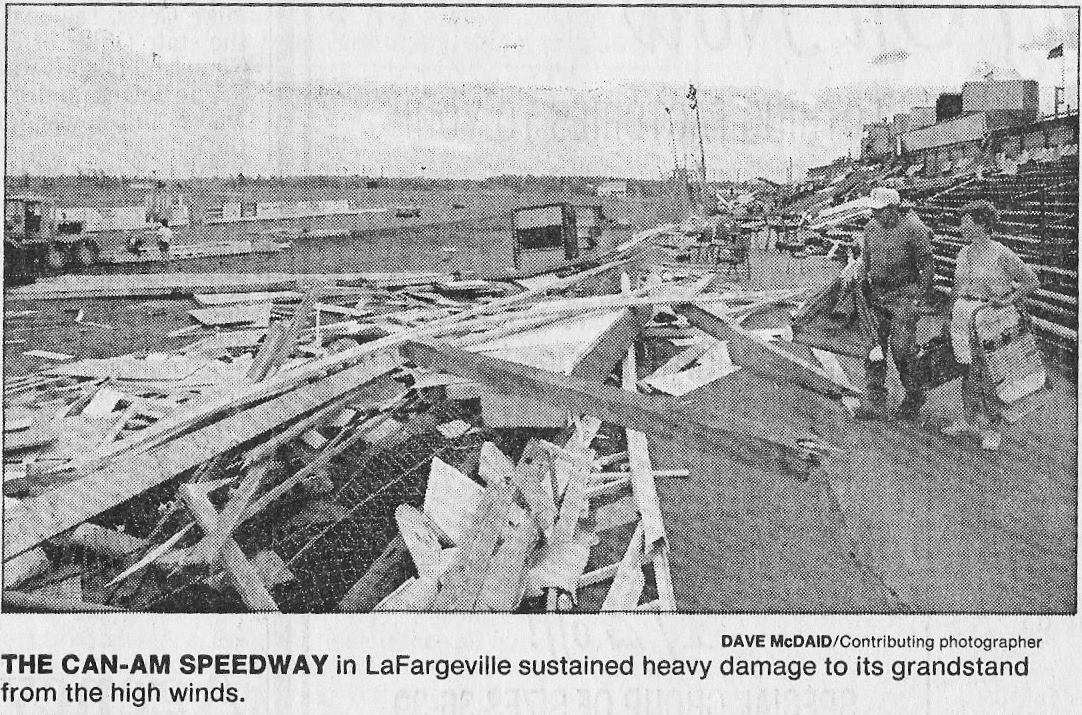
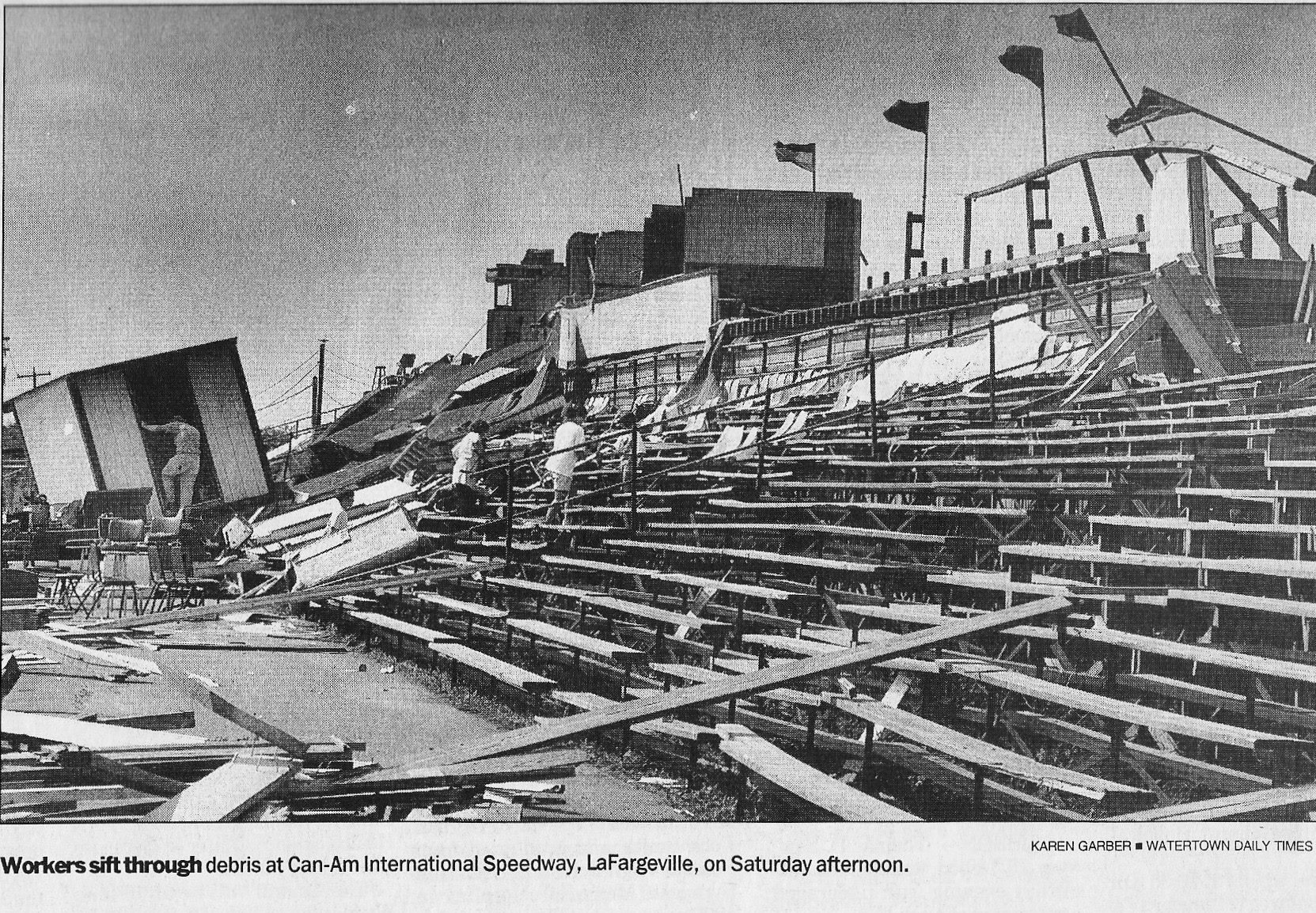
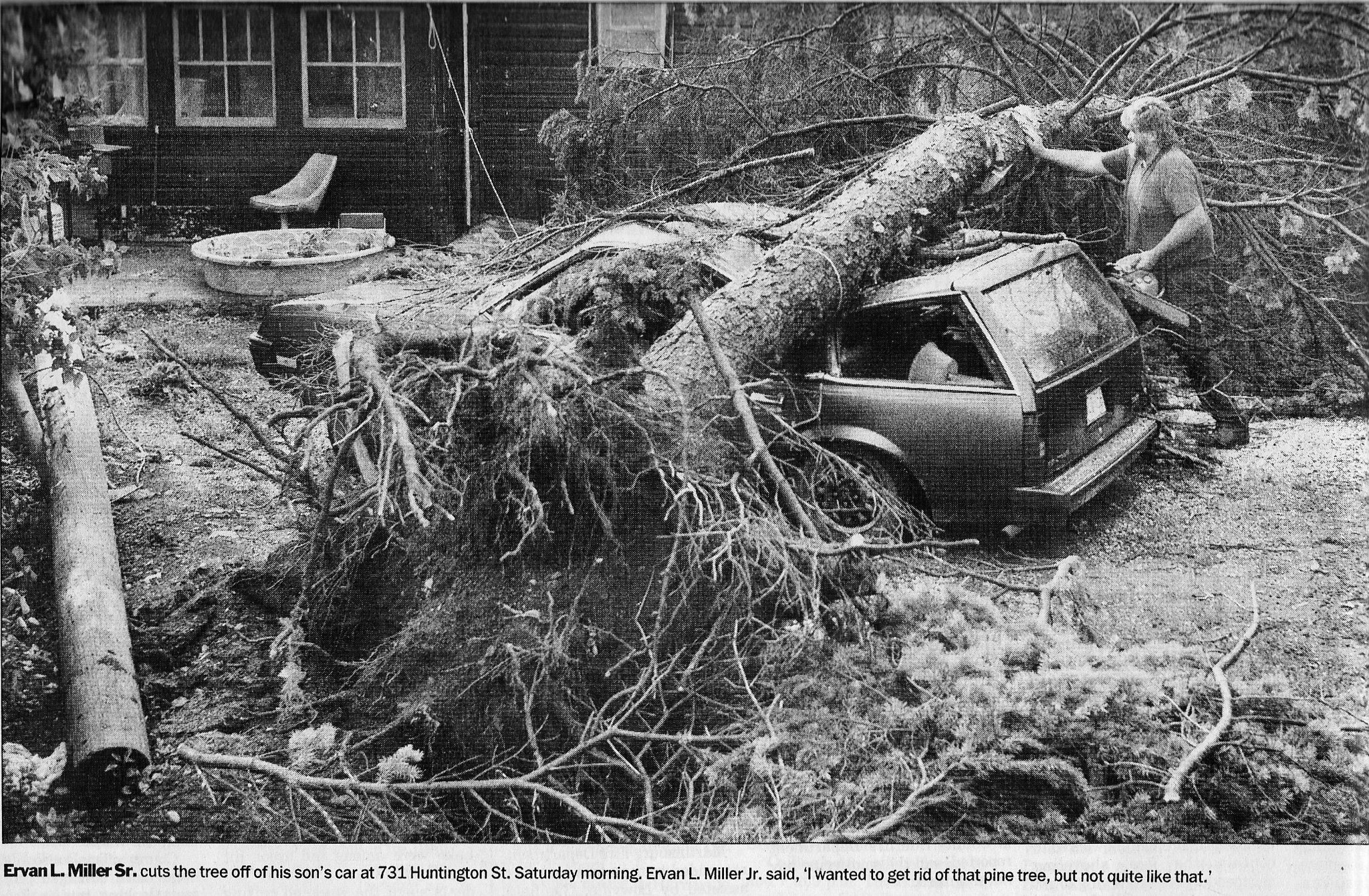
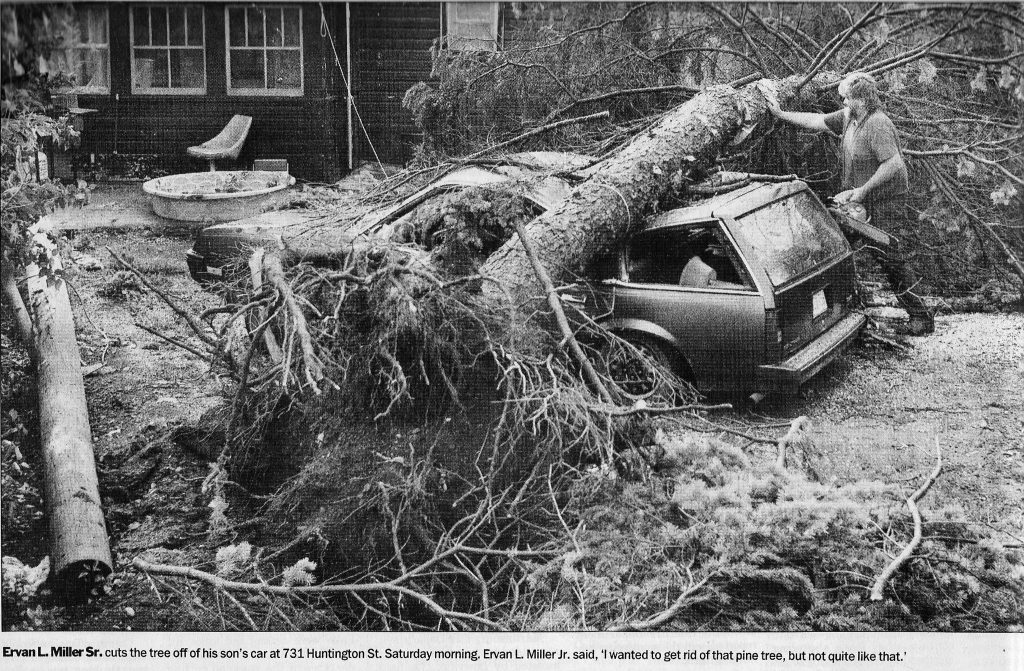
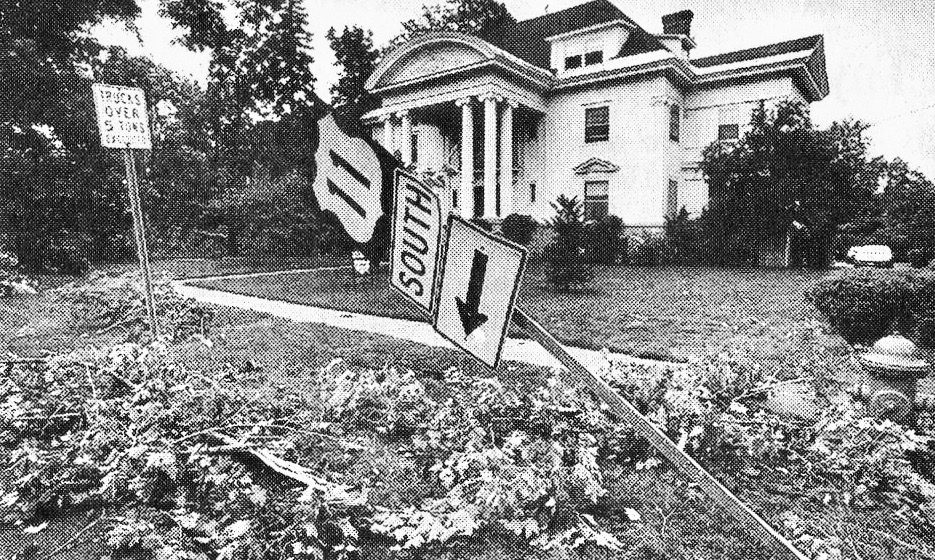
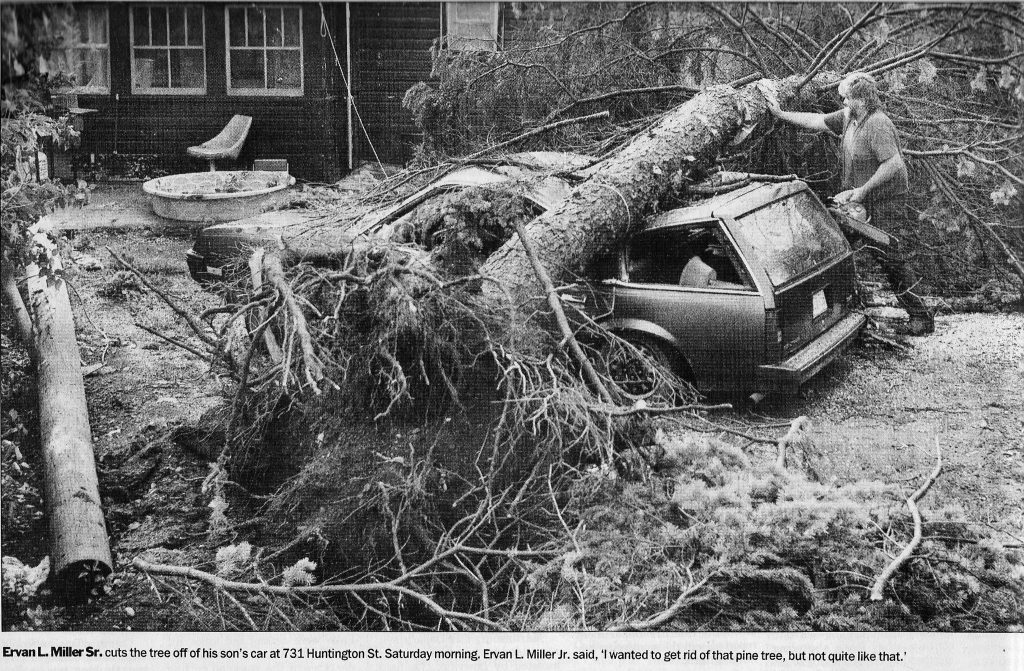
The trail of destruction left in the storm’s wake was worse than that of the 1991 Ice Storm. Derecho winds, which mean straight line winds in Spanish, covering a wider area than the microburst, topped 80 miles per hour and felled countless trees, especially in the Adirondacks, where 900,000 acres were destroyed with an estimated $200 million in timber losses.
One of the state’s largest maple producers, Edward Lyndamaker of Belfort in Lewis County, lost 80 percent of his trees in the microburst, stating he would be “lucky to have 2,000 (of 10,000) taps in these woods next year.” It was noted in the Daily Times that some producers “might have to wait another 20, 30, or even 50 years to regain the volume of syrup they produced a year or two ago.”
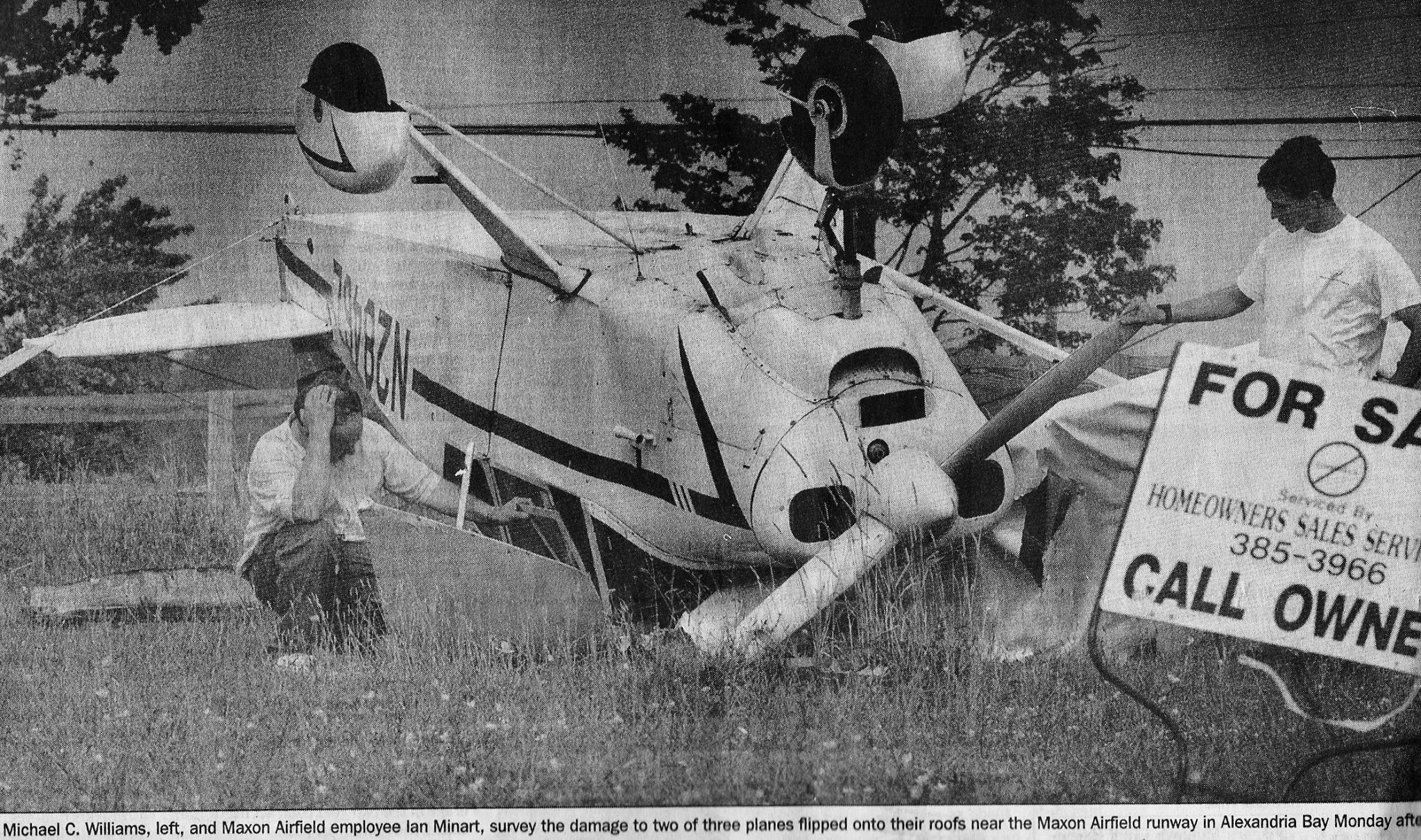
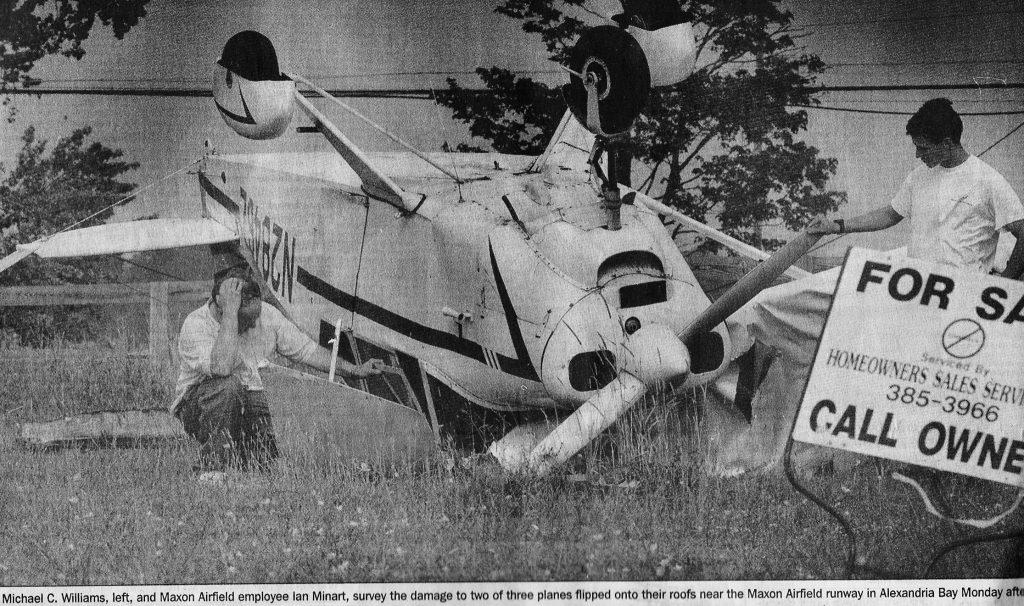
In Syracuse, the Hancock International Airport reported a 76 mph wind gust, while a parked Boeing 727 was blown into another plane. Incidentally, the Watertown Daily Times had, less than a month prior, posted a story about the crash of a Boeing 727 twenty years prior at JFK Airport, which led to the coining of the term “microburst” by severe storm expert Tetsuya Theodore Fujita, of the Fujita Scale fame for categorizing tornado windspeeds. Eastern Flight 66 flipped and exploded in its approach, a half mile from the runway, killing 113 of 124 passengers.
Locally, the Watertown Daily Times reported that all of Jefferson and St. Lawrence Counties were plunged into darkness when three main transmission lines were knocked out. An estimated 75,000 to 80,000 were left without power. With sporadic phone service between Syracuse and Utica, Watertown appeared to be the hardest hit.
“This is as bad as I’ve seen in terms of physical damage, he (Mr. Forte) said. “It’s as bad as the ice storm but the area this time is much bigger.”
The National Weather Service described Saturday’s storm as a “microburst” which, Buffalo meteorologist Joseph Pace said, is another term for a severe thunderstorm.
A weather advisory was issued Friday by the National Weather Service for “slight risk of severe weather,” said Mr. Pace. “It did mention that high gusts were likely after midnight.”
The 1995 Northern New York microburst was ultimately the combination of several factors, culminating in what the Daily Times’s reporter, Roger G. Smith, called “a 500 lb. gorilla” that couldn’t be stopped. For the previous several days, a high-pressure system had created 100-degree-plus temperatures for days that killed hundreds in the Midwest. Crossing Michigan at 55 mph, instead of losing strength after passing over the cooler waters, it kept getting stronger as the cold air drafts rode up over the high-pressure system. As described in the Daily Times:
Jefferson County was in the unfortunate path when the system became so cold that the updrafts stopped, pushing down “a humongous glob of thunderstorms” from 40,000 to 50,000 feet, Michael Pukajlo (another weather service meteorologist) said.
Individual thunderstorms, which swirled on their own, landed in different areas.
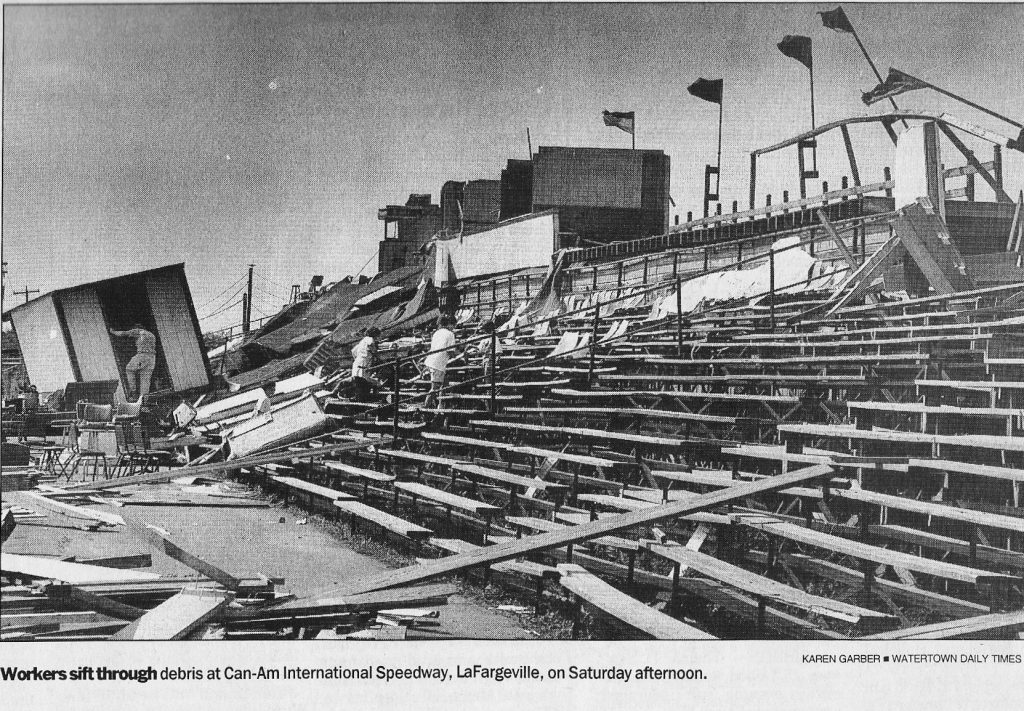
That is why homes were wiped out in Lafargeville but others a few miles away were spared the extensive damage.
The hot muggy weather here that fed the storm as it continued to Albany area, where people were killed by falling trees.
Microbursts are rare in the Northeast because there generally isn’t warm, wet air available like in the Midwest, Mr. Pukajlo said.
For one family, the storm’s approach was sensed by their two dogs. As reported in the Watertown Daily Times, Maureen Breen’s dogs, Phillip and Arthur, began to behave in such a way that made their owner sense something was wrong at their Campbell’s Point cottage.
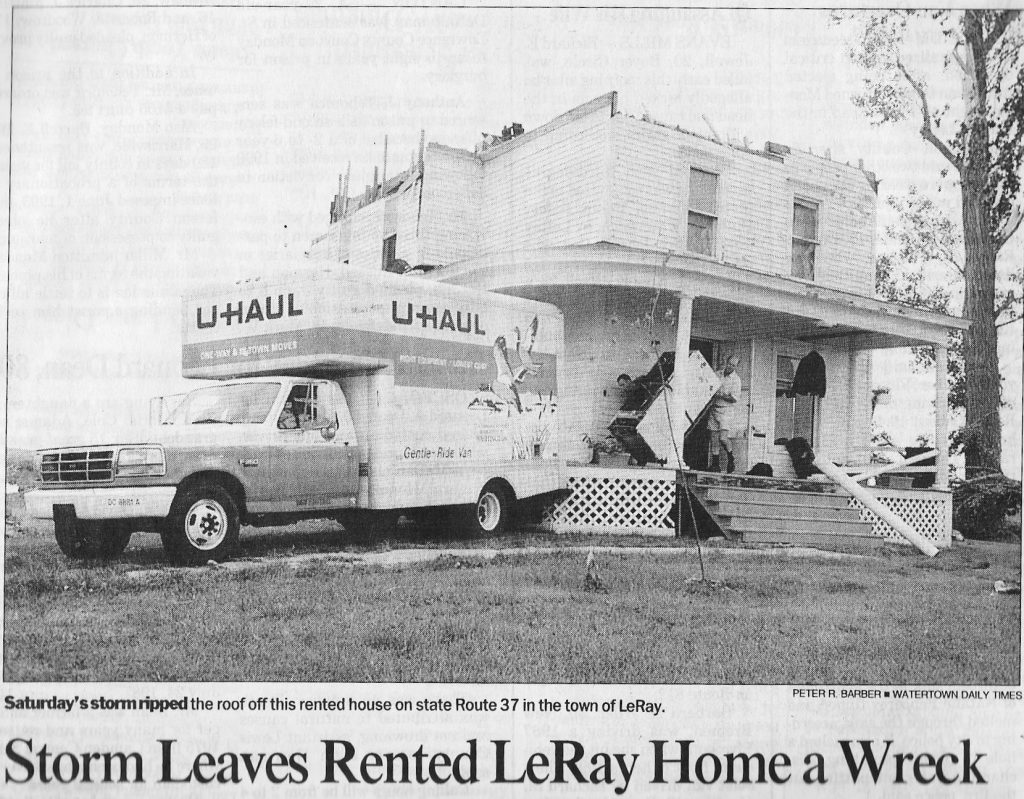
Just moments after her family removed themselves from the second-floor bedrooms, a tree crashed through the attic and landed in one of the beds. Others camping in the Adirondacks weren’t as fortunate as the Derecho resulted in five fatalities and eleven injured, mostly from fallen trees.
When it was all said and done, the Ontario-Adirondacks microburst and derecho was the strongest of four to sweep through the Midwest on July 14 and 15th. It remains one of the most destructive thunderstorms in the history of the United States and Canada, causing an estimated $500 million in damages.