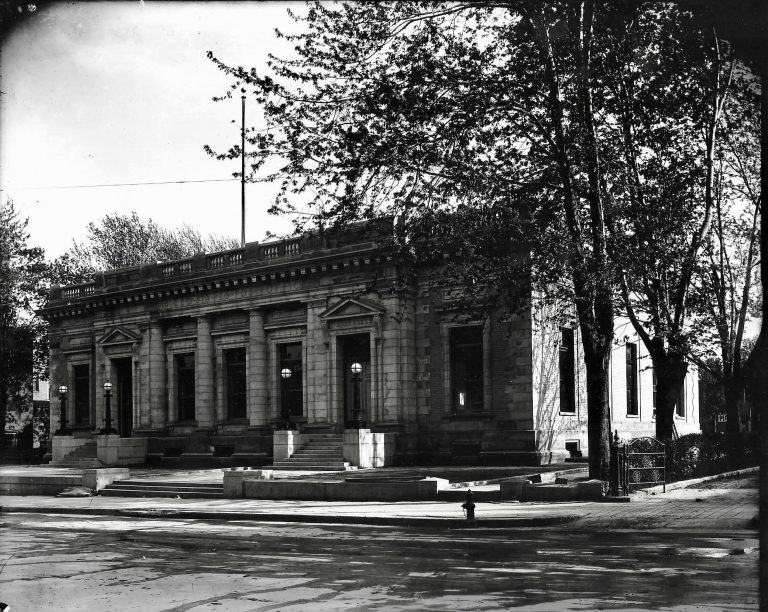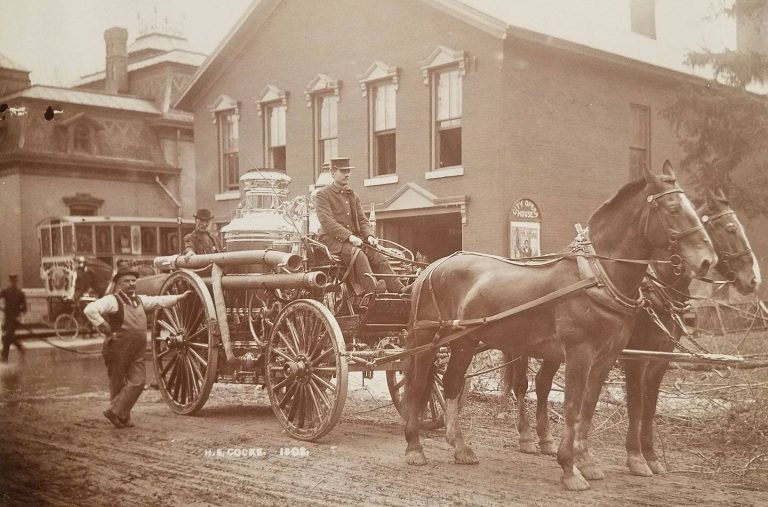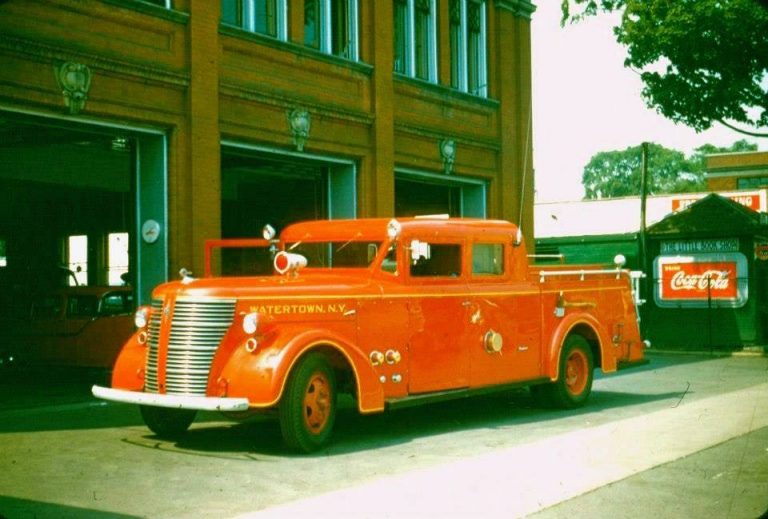
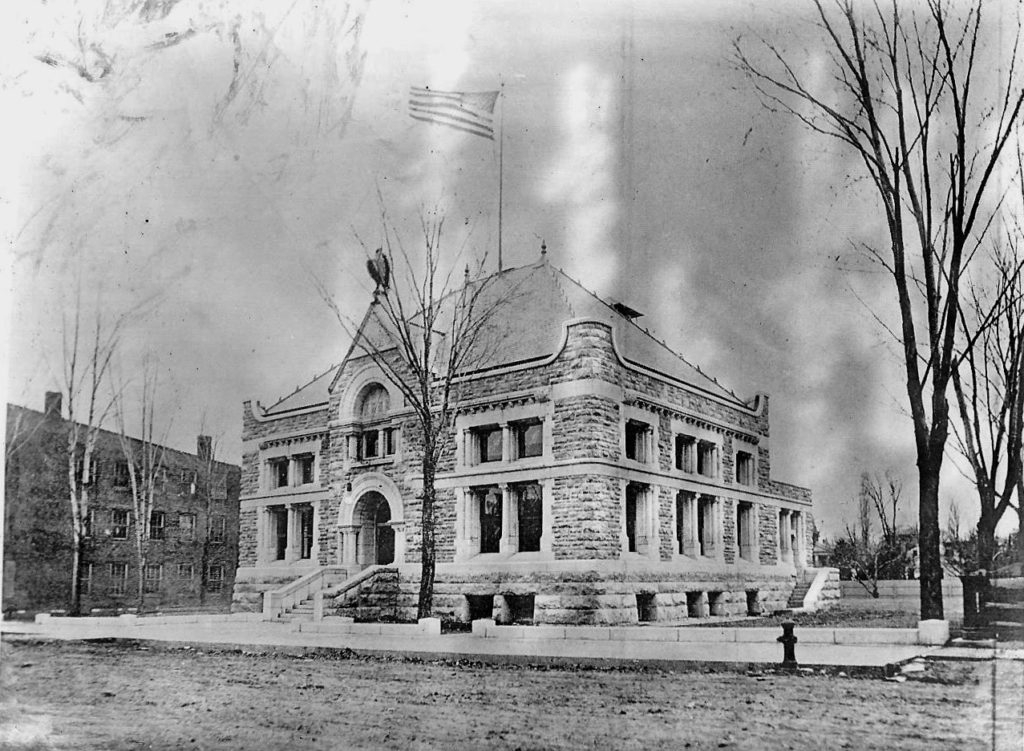
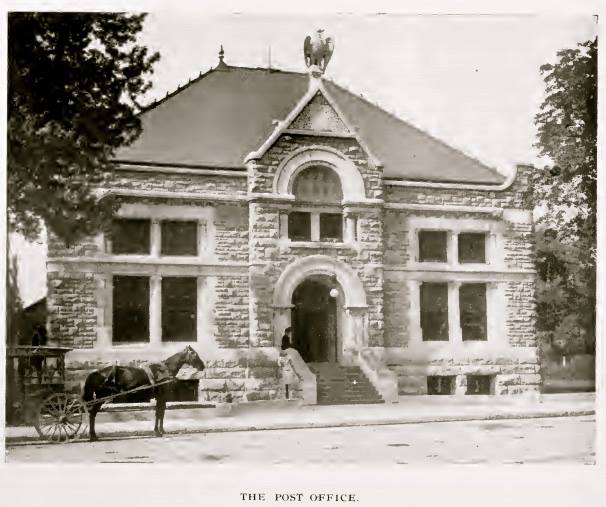
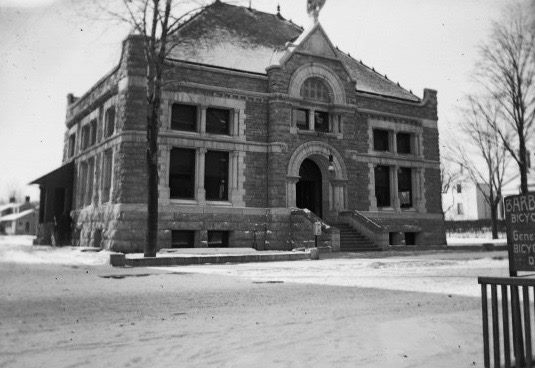

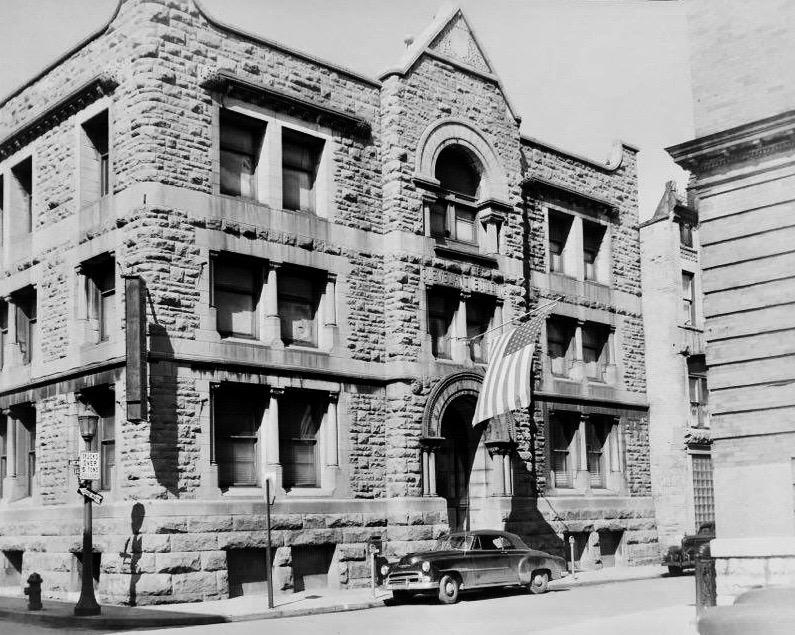
The First Watertown Post Office Was Completed In 1892
The first Watertown Post Office needed some help from some rather prominent city natives and a literal act of Congress to see it realized and completed in 1892.
The journey began several years earlier, when, around 1887, Congressman Abraham X. Parker from Potsdam and Beman Brockway, the senior editor and proprietor of the Watertown Daily Times, suggested a government building be erected in Watertown. The Times advocated over the next few years the need for the government to own its post office buildings in all towns having first and second-class post offices.
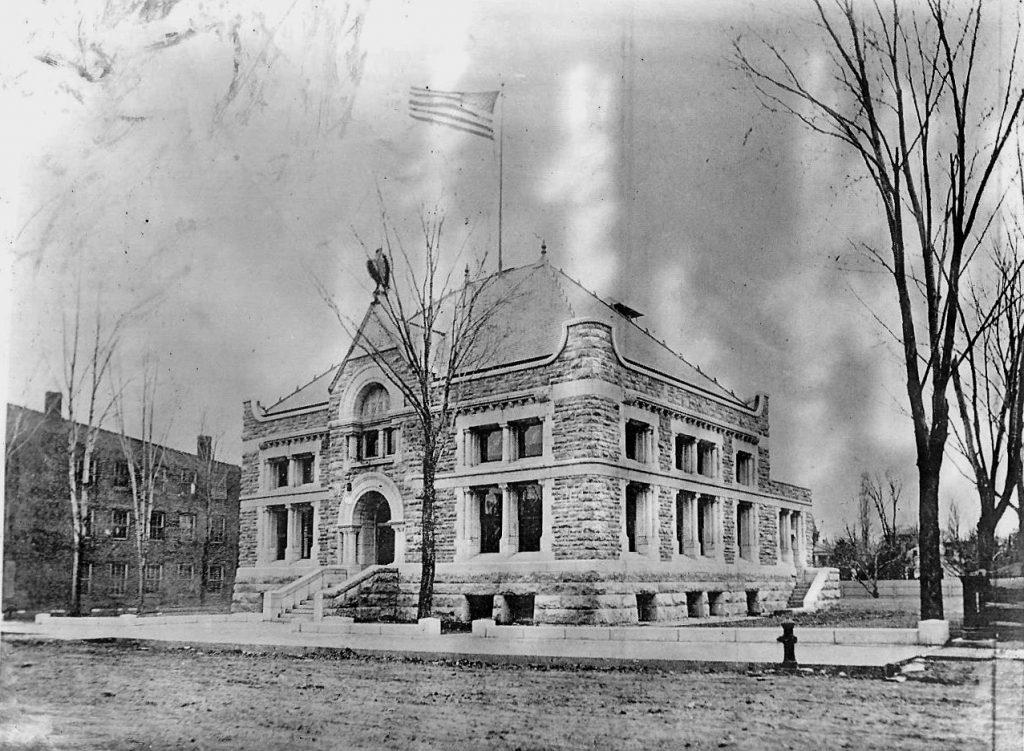
The bill was introduced, but locals such as Judge Denis O’Brien and then Congressman Roswell P. Flower helped push it through all the way to President Cleveland to sign, although for $50,000 less than the $125,000 that was initially asked for.
Once approved, it became a matter of where to build it. According to the Times, “The upper and lower end of Public Square demanded it.” One official, Col. Fister, preferred the lower end, but the Smith building (later known as the Mohican) was soon to be erected there. In the end, the first Watertown Post Office was to be built on Arsenal Street just off Public Square.
On May 8, 1891, the Watertown Daily Times wrote about the construction to start the following day—
Arrangements have now been completed for laying the corner stone of the new postoffice building tomorrow afternoon, according to the ancient usages of the Masonic order.
Preparations at the post office building have been carried on today with vigor. The foundation walls of the structure have been covered with temporary flooring, and the derrick which has been used in the work thus far will be in readiness for lowering the corner stone. A triumphal arch has been erected near the entrance to the building on Arsenal St., and trimmed with evergreens. The wall has been made ready for the ceremony and articles to be deposited in the stone have been secured.
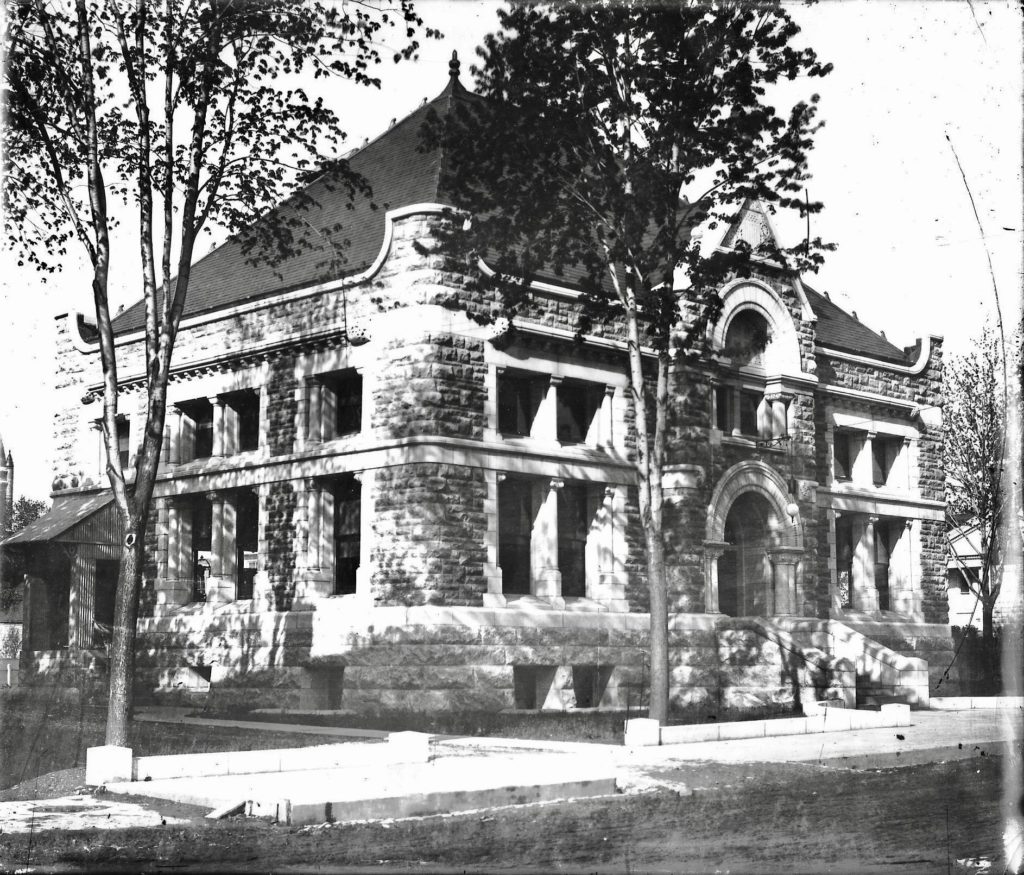
Masons traveled from all over the area to witness the event, with railroad officials lowering their rates in expectation of a large number of travelers, in addition to the Masons, to arrive at the train station behind Hotel Woodruff.
The corner stone will be the first building the government has erected purely for post office purposes in the smaller cities. In all those now erected the post office has but a small portion, court rooms, custom house and other federal offices being provided. This building was designed by ex-Supervising Architect Windrim as the first of its class which may be a model for future government buildings of its character.
In April of 1892, the building was completed, and the city would have its first postmaster to occupy the first Watertown Post Office in Edward M. Gates. Gates, who was first appointed in 1882, did much to improve the conditions and efficiency of the mail delivery and, after being succeeded one term by John C. Streeter, fulfilled the position’s duties where he left off and continued making improvements and played a significant role in getting the first government post office built in a town that was growing rapidly.
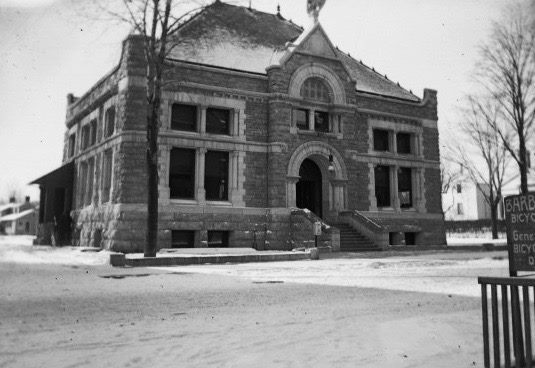
The Watertown Daily Times remarked on the new postoffice—
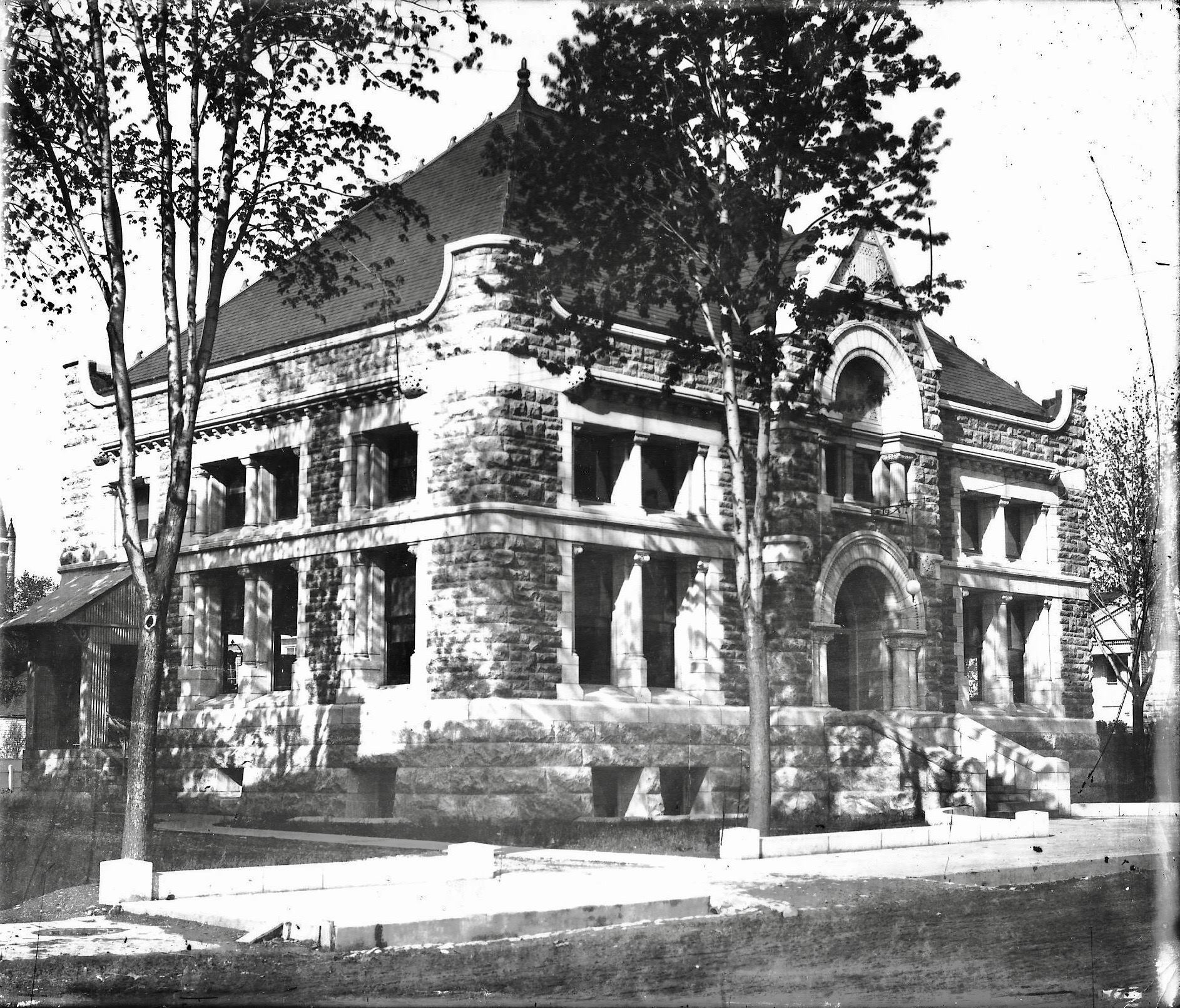
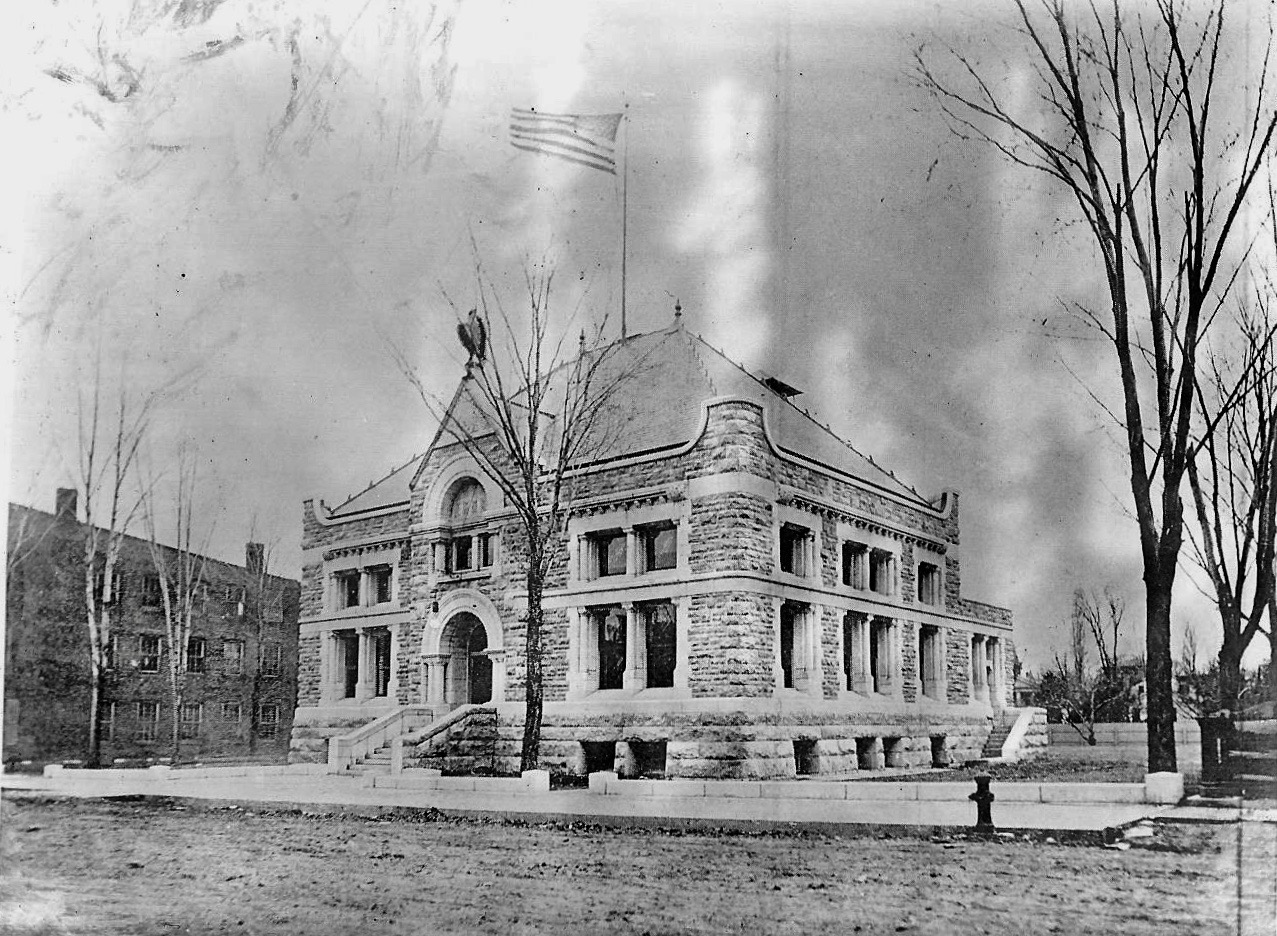
The building is a marble structure facing Arsenal Street, having a height of over forty feet, a frontage of 64 feet, and a depth of 44 feet, and standing on a lot 150 feet front by 207 feet deep, that will afford all necessary room for any enlargement that may ever be necessary by reason of the increase of population of the city (or so was thought.)
The lot itself for the first Watertown Post Office was said to have been the same size as that of New York City’s post office. The architect, J. H. Windrim, of Washington, D. C., had created the first one of its kind that he had ever devised, making Watertown the recipient of something no other city of its size had yet.
The American eagle that was placed atop the building upon a pedestal was reportedly 8 to 10 feet higher than the building itself, the figure of the bird being seven feet high and weighing six tons, costing $1,000. As noted in the photo below, the eagle atop the arched-roof is comparable in height to the man below and larger, including the base it’s perched on.
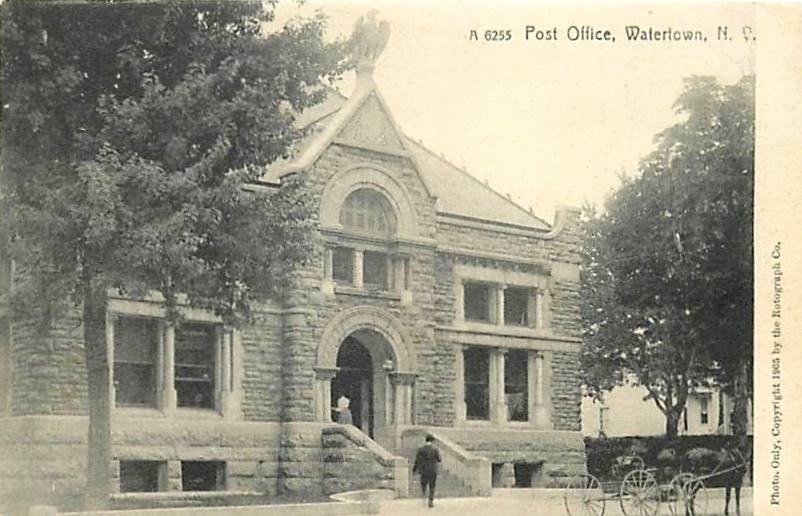
15 years later, work commenced on the construction of a new post office in the same place. This was mostly because Watertown’s population would nearly double between 1890 and 1910. The first Watertown Post Office continually broke records for postage stamp sales and mail handled over the last several years.
In 1907, Congress appropriated $77,000 for the construction of the new post office. The first Watertown Post Office was vacated between June 15th and July 1st, relocating temporarily to the Odd Fellows Building. In a twist in comparison to the post-1960s era, the building wasn’t demolished. Still relatively new, the first Watertown Post Office was dismantled and moved to a new location a short distance away on the corner of Stone and Arcade Streets, with another level added on to it, where it was renamed the Cleveland Building.
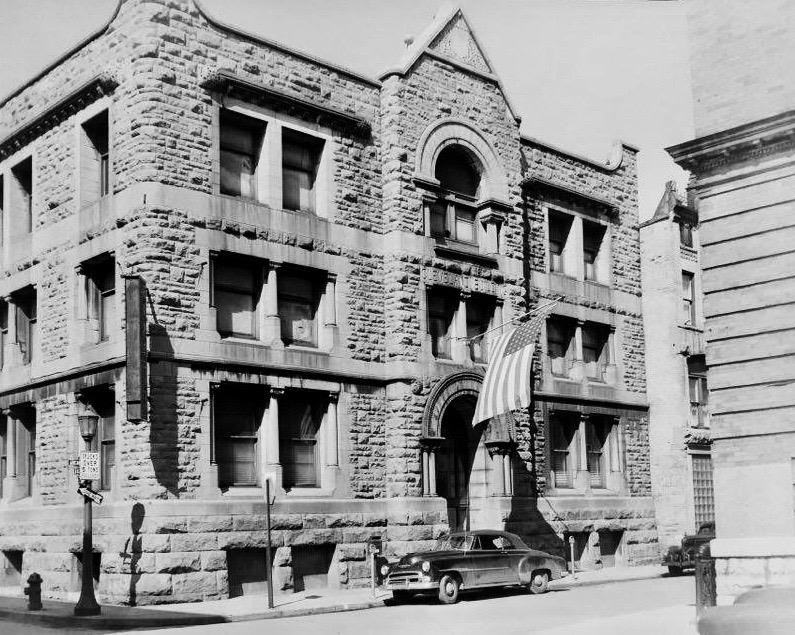
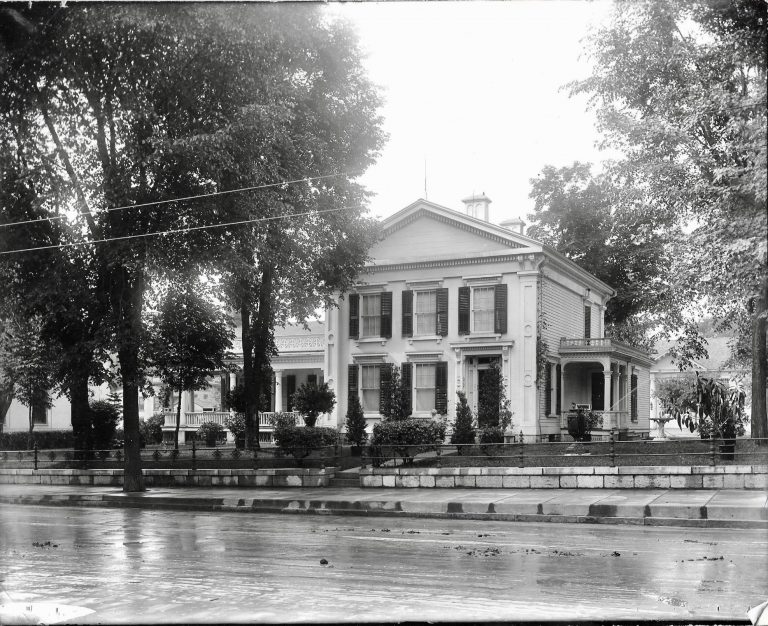
Coincidentally, the first Post Office on Arsenal Street wasn’t the first building at that location to have been dismantled and reassembled elsewhere. Before the Post Office’s construction in 1892, the site was occupied by the former home of Orren G. Staples, which was relocated to what was later numbered 171 Mullin Street. Staples’s wife, Helen, originally purchased the property from Sarah M. Woodruff Flower in 1863. Orren was the builder of the Thousand Island House, operating it until 1883, when he relocated to Washington, D.C., to manage other hotels — later to return to purchase and manage the Thousand Island House again in 1897.